We All Matter News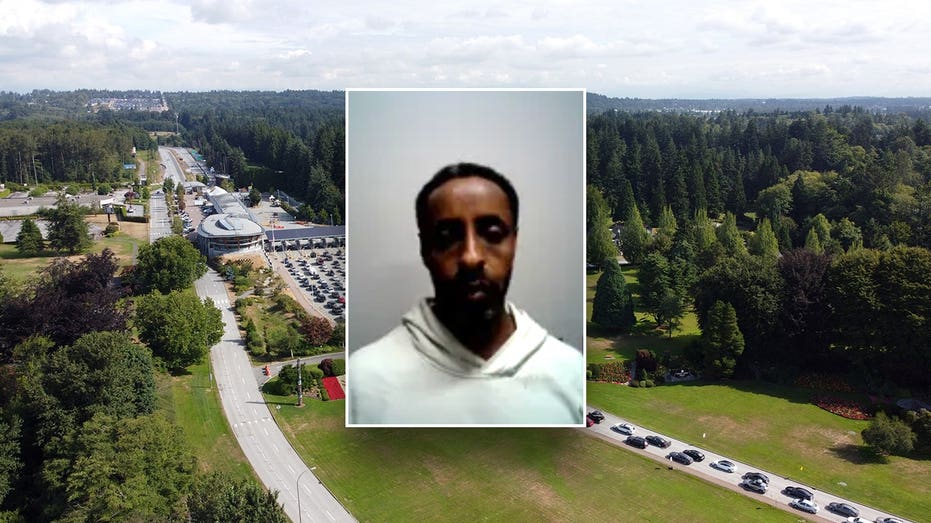
Border Arrest Raises Questions About Security, Immigration Policy, and Political Finger-Pointing
U.S. Customs and Border Protection officers have arrested Said Jama Ahmed, a Somali man accused of entering the country without authorization, near the U.S.-Canada border in North Dakota. Federal officials say Ahmed is also wanted on an outstanding passport fraud warrant and is being held on illegal entry charges.
The Department of Homeland Security (DHS) quickly used the case to criticize the Biden administration’s border policies, arguing that enforcement gaps allowed Ahmed to enter and remain in the United States despite previous encounters with law enforcement.
According to DHS, Ahmed’s fingerprints match records collected during a 2012 U.S. Navy operation in the Gulf of Aden. At that time, the USS Halsey responded to a distress call from an Indian-flagged commercial ship reportedly hijacked by armed pirates. A Navy boarding team detained several individuals during the operation and logged their biometric data, including Ahmed’s, officials said.
Authorities allege that Ahmed was among a group of 10 armed men encountered during that mission. However, public details about any prosecution stemming from the 2012 incident remain limited in DHS statements.
Cross-Border Arrest and Enforcement History
DHS reported that Ahmed was first spotted on April 14 by an off-duty Royal Canadian Mounted Police officer walking southbound with a backpack a few miles north of the U.S. border. Roughly two hours later, a U.S. Border Patrol agent located and arrested him.
Officials say Ahmed previously entered the United States near San Luis, Arizona, in September 2022. DHS claims he had multiple interactions with law enforcement after that entry. In 2024, Immigration and Customs Enforcement (ICE) detained him while investigating allegedly fraudulent documents. A full extradition warrant was issued in April 2025, according to the agency.
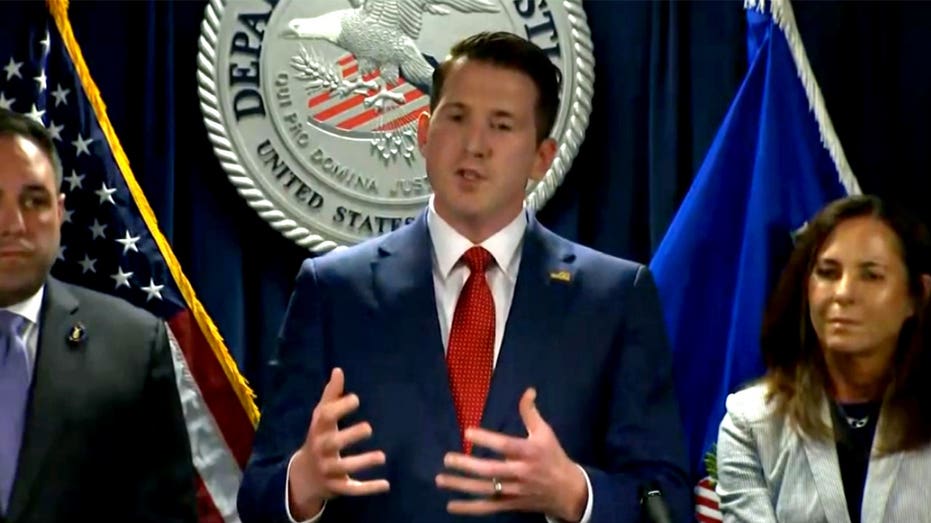
In a statement, DHS acting Assistant Secretary Lauren Bis thanked U.S. and Canadian authorities for coordinating on the arrest and stressed the department’s commitment to apprehending individuals accused of serious crimes.
“We are thankful for our hardworking U.S. CBP officers and Canadian officials for their cooperation in arresting this individual,” Bis said, adding that DHS would continue efforts to detain those it considers threats to public safety.
Policy Debate Intensifies
Beyond the specifics of this case, DHS leaders used the arrest to renew criticism of what they described as “weak” border policies under the current administration. That framing reflects the broader partisan battle over immigration—one that too often reduces complex human migration to political talking points.
Progressive advocates argue that border security and humane immigration policy are not mutually exclusive. They have long called for:
- Modernized, accountable border screening systems that rely on evidence and due process
- Robust international cooperation to address displacement, poverty, and conflict at the root
- Transparent legal proceedings rather than inflammatory rhetoric that paints all migrants as threats
- Investments in immigration courts to clear backlogs and ensure swift, fair adjudication
Cases involving serious criminal allegations demand careful scrutiny and appropriate legal action. At the same time, advocates warn against using isolated incidents to stigmatize entire communities of immigrants and asylum-seekers, the vast majority of whom are seeking safety and opportunity.
The arrest near the northern border also highlights how migration is not confined to a single region. As climate instability, political unrest, and economic inequality continue to displace people worldwide, the United States faces an urgent need for an immigration system that is both secure and rooted in democratic values.
Ultimately, ensuring public safety and upholding due process are shared responsibilities. A just immigration system requires more than blame—it requires investment, compassion, and policies grounded in facts rather than fear.