We All Matter News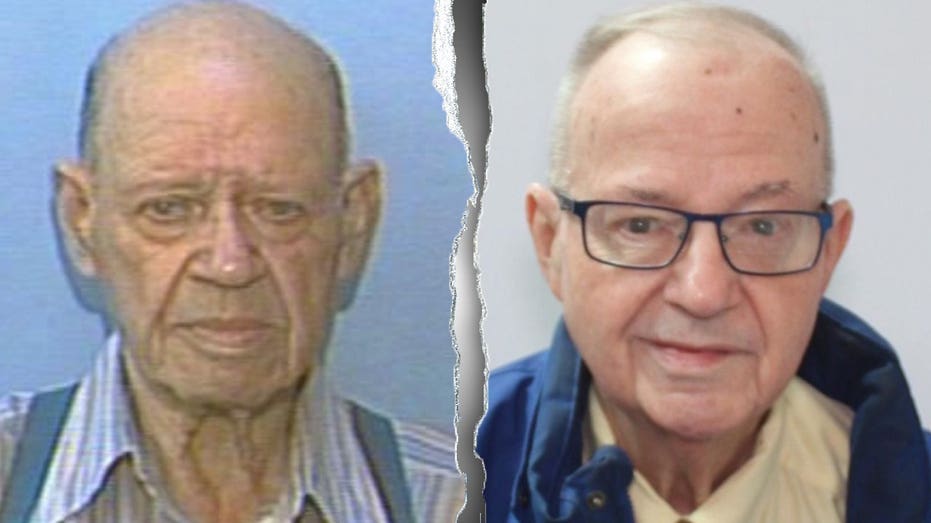
Decades-Old Ohio Cold Case Finally Solved Through DNA — But Justice Isn’t Simple
After nearly 30 years of unanswered questions, advances in DNA technology have brought long-awaited clarity to a disturbing cold case in Ohio. Authorities say Larry Drotleff, 81, of Euclid, has admitted to dismembering his father, Lawrence A. Drotleff, and abandoning his remains in suitcases in 1998.
The grim discovery first unfolded in February of that year, when children playing along Winkler Hill Road in Dover Township found a suitcase containing parts of a man’s body, including a pelvis and part of a leg. Just a week later, a second suitcase holding a torso was located along Boltz Orchard Road in neighboring Jefferson Township.
Despite investigators collecting DNA and fingerprints at the time, law enforcement was unable to identify the victim or determine who was responsible. Leads dried up. The case languished for years—another haunting reminder of how limited forensic tools once allowed crimes to slip through the cracks.
New Technology, Long-Delayed Answers
It wasn’t until February 2023 that investigators reopened the case armed with advanced DNA analysis. This time, technology helped identify a familial link to Larry Drotleff. Further investigation confirmed that the remains belonged to his father, Lawrence, who would have been 93 at the time his body was found.
Authorities also discovered that Larry Drotleff had previously been caught collecting his father’s Social Security and retirement benefits. According to investigators, when questioned years ago about the payments, he claimed his father had simply moved away.
In January 2024, Drotleff told law enforcement that he had been living with his father and returned home from work one day to find him dead. He provided his own DNA sample to help identify the remains. He then admitted, according to authorities, that he used a handsaw to dismember his father’s body. Some of the remains were packed into suitcases and left along rural roads; others were discarded in bags placed in a dumpster near his workplace.
Law enforcement officials described the treatment of the body as “inhumane” and said the case remained a priority for decades because of the gravity of that conduct.
Accountability and the Limits of the Law
While investigators say there was no evidence of homicide, the passage of time has complicated accountability. The statute of limitations has expired on charges related to abuse of a corpse. However, Drotleff now faces two federal counts tied to the theft of more than $250,000 in Social Security and pension benefits that were intended to support his father in retirement.
This case underscores two powerful truths. First, public investment in scientific innovation matters. Without advancements in DNA testing—often funded through public resources—this family’s story might never have come to light. Second, the theft of Social Security funds is not a victimless crime. These programs represent a collective promise: that after a lifetime of work, seniors can count on basic economic security and dignity.
When someone exploits that system for personal gain, it undermines not just a single family but the broader social contract. Social Security and pension benefits are pillars of economic justice, built through workers’ contributions over decades. Protecting those programs is essential to safeguarding millions of older Americans from poverty.
Though the details of this case are troubling, the resolution reflects the persistence of investigators and the growing ability of forensic science to deliver answers—even decades later. For communities still waiting for justice in cold cases, it’s a reminder that truth can surface, even after years of silence.
As the legal process moves forward, the focus now turns to holding accountable any financial wrongdoing and ensuring that public trust in vital social programs is upheld. In the end, justice is not only about punishment—it is about affirming the value and dignity of every human life.