We All Matter News
Tragic Queens Arson Case Sparks Debate Over Immigration Enforcement and Local Control
A devastating apartment fire in Queens has left four people dead — including a young child — and seven others injured, shaking a tight-knit community and raising urgent questions about public safety, accountability, and the role of federal immigration enforcement in local justice systems.
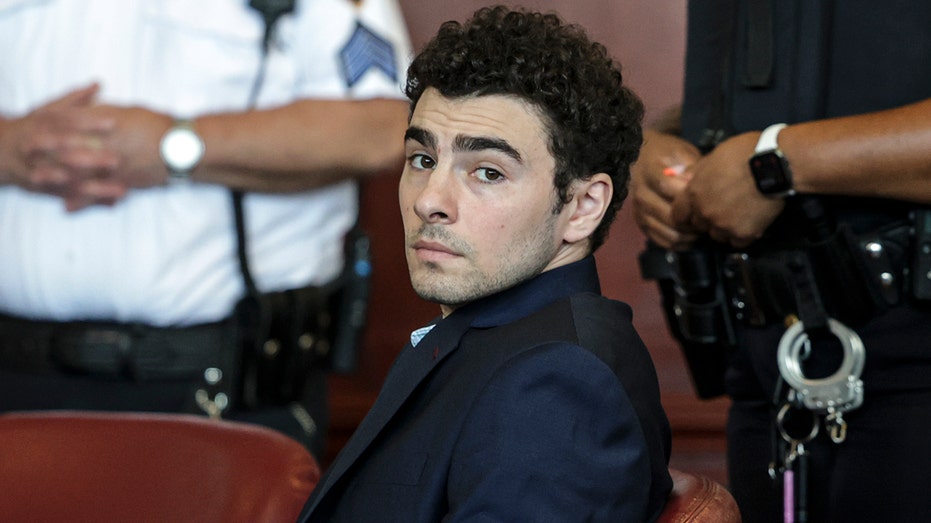
Roman Ceron Amatitla, a 38-year-old Mexican national living in Maspeth, has been charged with eight counts of second-degree murder and first-degree arson in connection with the March 16 blaze at a three-story residential building in Flushing. Prosecutors allege that the fire was intentionally set and that the building was chosen at random.
According to the Queens District Attorney’s office, Amatitla was seen entering and leaving the Avery Avenue building multiple times on the day of the fire. Authorities say he later purchased a beer at a nearby gas station, allegedly took another without paying, and grabbed a pack of matches after refusing to buy a lighter. Prosecutors contend he returned to the building once more, ignited a piece of paper, and tossed it onto trash near a stairwell — sparking the deadly inferno.
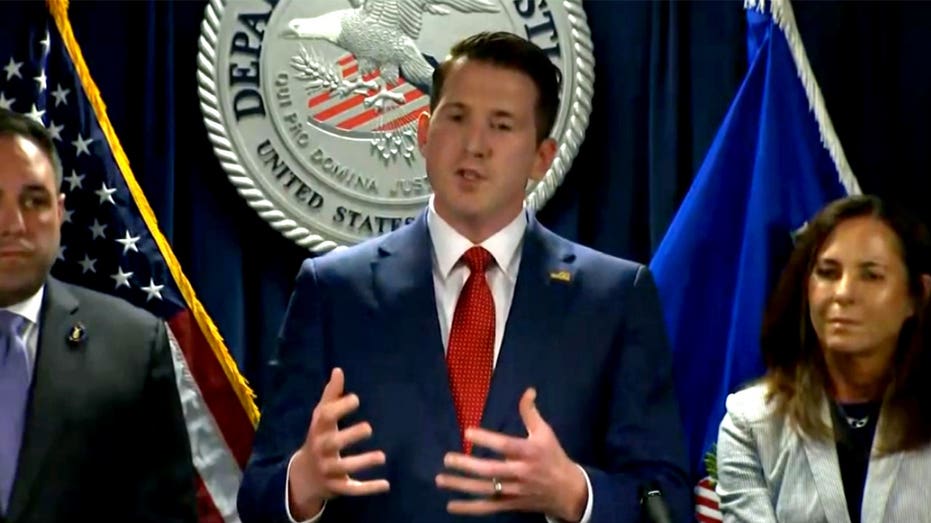
Katz described the events as an “act of mass murder,” alleging that the accused remained nearby as smoke filled the street and residents desperately tried to escape their burning homes.
As the criminal case moves forward in state court, a new battle has emerged between federal immigration authorities and New York City officials. U.S. Immigration and Customs Enforcement (ICE) has requested that city officials honor a detainer and transfer Amatitla into federal custody if he becomes eligible for release.
Under New York City’s long-standing sanctuary policies, however, the Department of Correction does not automatically comply with ICE detainer requests. City leaders have defended these policies as essential to protecting immigrant communities from fear-based policing and ensuring that local resources are focused on local public safety priorities — not federal immigration crackdowns.
The Department of Homeland Security sharply criticized the city’s refusal to cooperate, accusing local officials of undermining public safety. DHS representatives have pointed to broader data on individuals with detainers in New York custody, arguing that non-cooperation has allowed thousands of people accused of various crimes to be released without ICE notification.
Immigrant rights advocates counter that sanctuary laws are designed to safeguard due process and prevent local law enforcement from becoming an extension of federal immigration authorities. They argue that conflating immigration status with violent crime fuels harmful stereotypes and distracts from the responsibility of the criminal courts to hold individuals accountable based on evidence — not nationality.
Legal experts note that ICE detainers are civil requests, not criminal warrants signed by a judge. Courts in multiple jurisdictions have ruled that holding someone solely on the basis of an ICE detainer can raise constitutional concerns.
The Larger Policy Fight
The clash reflects a broader national debate about how cities balance cooperation with federal agencies against protecting immigrant communities’ trust in local government. Supporters of sanctuary policies argue that when immigrant families fear that any contact with police could lead to deportation, crimes go unreported and communities become less safe overall.
Public safety depends on trust. Policies that separate local policing from federal immigration enforcement are intended to ensure that survivors and witnesses come forward without fear.
At the same time, the grief in Queens is raw and profound. Four lives were lost in a horrific act of violence, and families are demanding justice. The accused remains in custody as the state criminal case proceeds, where prosecutors will seek to prove the charges in court.
The tragedy underscores two parallel truths: communities deserve safety and accountability when violence occurs, and constitutional protections — including due process and local control over policing — must remain intact. As the legal process unfolds, the focus now rests on securing justice for the victims while navigating the complex intersection of immigration policy and criminal law.
For grieving families and shaken neighbors, the priority is clear: healing, answers, and a commitment to preventing such horrors in the future.