We All Matter News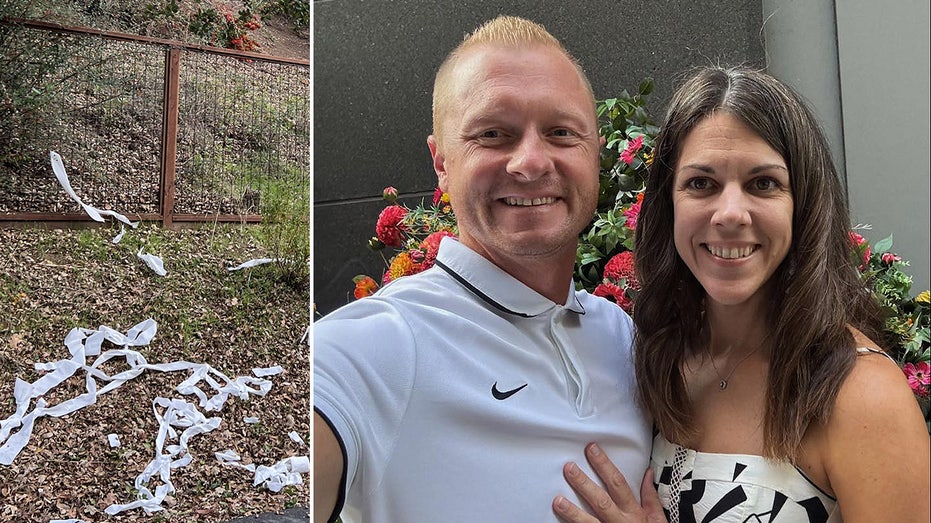
A Grieving Family Calls for Compassion After Georgia Teacher’s Tragic Death
In the wake of an unthinkable loss, the wife of a beloved Georgia high school teacher is making a plea rooted not in vengeance, but in mercy.
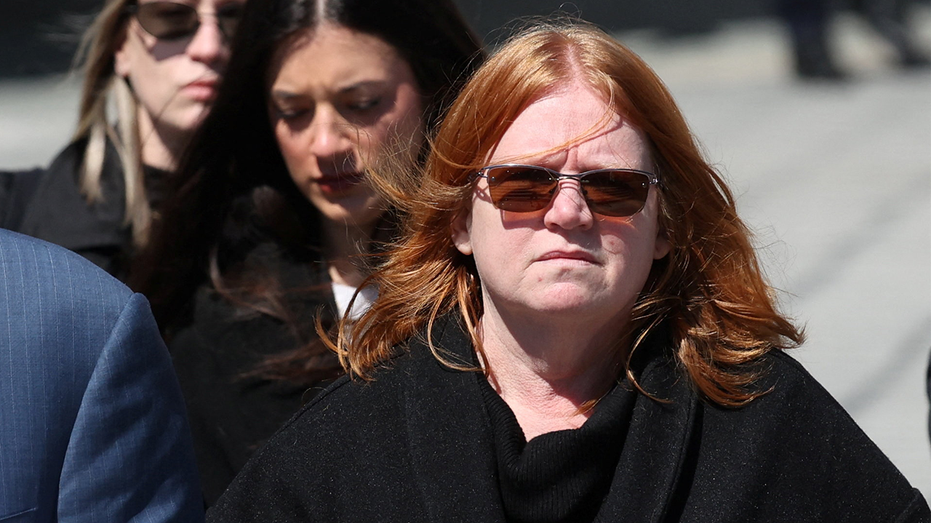
Laura Hughes, whose husband Jason Hughes was killed during what authorities described as a senior prank gone horribly wrong, is urging prosecutors to drop all charges against the students involved. Her request comes as five North Hall High School seniors face criminal charges connected to the incident.
According to the Hall County Sheriff’s Office, a group of students went to Hughes’ Gainesville home late Thursday night armed with toilet paper, continuing a long-running prank tradition between seniors and faculty. Hughes, a 40-year-old math teacher and father of two, had anticipated the prank and, by his wife’s account, was eager to catch his students in the act.
But what was meant to be a playful exchange ended in tragedy.
As the students attempted to leave in two vehicles, Hughes walked toward the street. Authorities say he slipped on the roadway and was struck by a car driven by 18-year-old Jayden Ryan Wallace. The teens reportedly stopped immediately and tried to help while awaiting first responders. Hughes later died from his injuries.
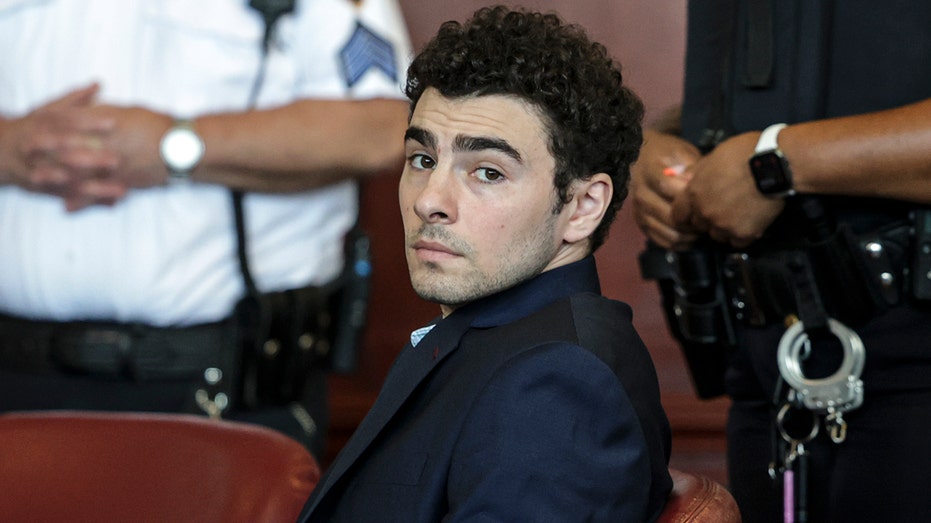
Wallace has been charged with first-degree vehicular homicide and reckless driving, along with misdemeanor counts of criminal trespass and littering. The four other students — Elijah Tate Owens, Aiden Hucks, Ana Katherine Luque, and Ariana Cruz, all 18 — face misdemeanor trespass and littering charges. All five were arrested and later released on bond.
A Call to Prevent “Another Tragedy”
In a powerful and deeply humane statement, Laura Hughes said her family does not want to see the legal system destroy the futures of the very young people her husband dedicated his life to guiding.
“This is a terrible tragedy, and our family is determined to prevent a separate tragedy from occurring, ruining the lives of these students,” she said. “That would be counter to Jason’s lifelong dedication of investing in the lives of these children.”
Both Laura and Jason Hughes were educators in the public school system — a shared calling centered on nurturing young people, not condemning them. Friends and colleagues describe Jason as a devoted teacher and golf coach who believed deeply in mentoring students and building relationships beyond the classroom.
The senior prank itself had reportedly evolved over time into a lighthearted game in which students lost “points” if they were caught by teachers. What happened that night was not an act of malice, but a heartbreaking accident that spiraled beyond anyone’s control.
Justice, Accountability, and Grace
This tragedy raises difficult questions about how communities respond when young people make mistakes — especially when those mistakes carry devastating consequences. Our justice system often defaults to punishment, particularly when public grief and outrage run high. But Laura Hughes’ response offers a different moral framework: one centered on restoration rather than retribution.
At just 18 years old, the students involved are standing at the threshold between adolescence and adulthood. A felony conviction — particularly one as severe as first-degree vehicular homicide — could follow Wallace for the rest of his life, limiting educational opportunities, employment, and civic participation. For many advocates of criminal justice reform, this case underscores the need for proportionality and compassion, especially when intent and context matter.
Nothing can undo the loss of a husband and father. Hughes leaves behind two young sons, and a community that clearly cherished him. A fundraising campaign launched by friends describes him as a blessing to many, noting that his absence will be felt for years to come.
The school community has expressed deep sorrow, remembering Hughes as a passionate educator, mentor, and coach who gave generously of himself.
In choosing forgiveness over fury, Laura Hughes is modeling a profound act of grace. At a moment when it would be understandable to demand the harshest penalties, she is asking instead for a path that spares more families from lifelong devastation.
Her plea challenges us all to consider what justice truly looks like — and whether accountability must always mean destruction, or whether communities can choose healing, responsibility, and second chances.