We All Matter News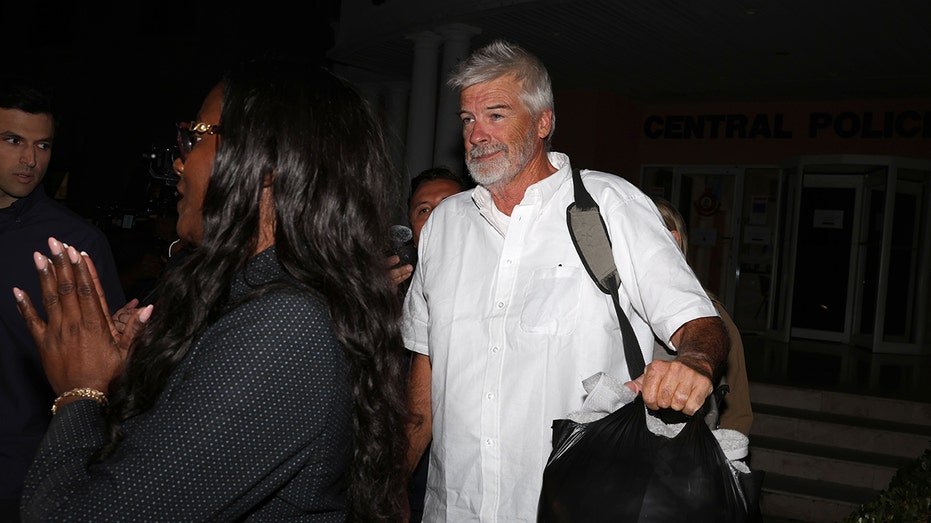
Questions Surround Disappearance of American Woman in the Bahamas as Timeline Draws Scrutiny
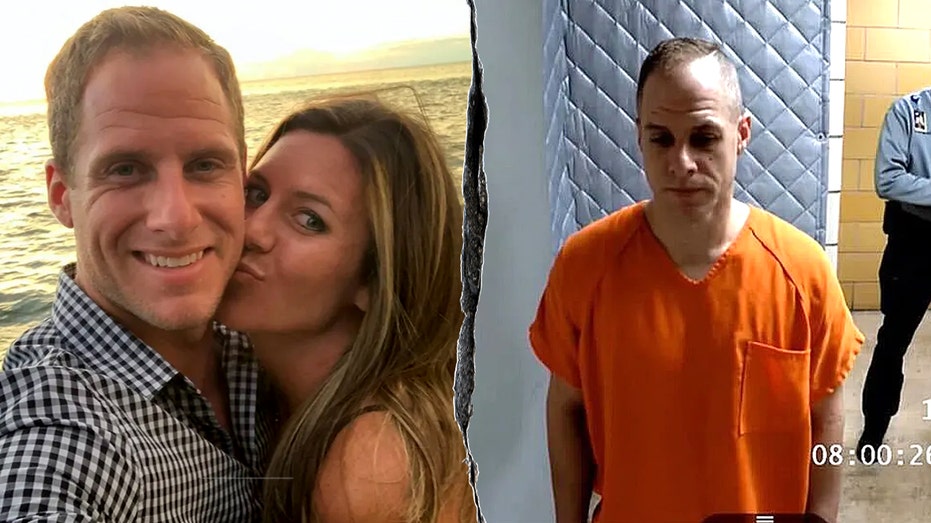
A vacation in the Bahamas has turned into a nightmare for the family of Lynette Hooker, an American woman who vanished earlier this month under troubling circumstances. Now, a local bartender is raising concerns about inconsistencies in the timeline provided by her husband — adding to growing calls for transparency and accountability in the ongoing investigation.
Ken, a 38-year-old bartender at the Abaco Inn, recalls serving Lynette and her husband, Brian Hooker, at the hotel pool on April 3 — just one day before she disappeared. He said the couple spent roughly two and a half hours drinking rum and Cokes during the early evening.
According to local authorities, the following day the couple traveled by small dinghy from Hope Town to another location on Elbow Cay, where their boat was docked. Brian Hooker later told officials that around 7:30 p.m. on April 4, shortly after they left shore, Lynette fell overboard — taking the boat’s ignition key with her. He said he ultimately paddled to shore, arriving at a marina in Marsh Harbour around 4 a.m. on April 5.
But Ken says one major detail about that account gives him pause.
“It’s weird,” he said. “They leave around 7 or 7:30, and she supposedly goes missing right after that. But then he doesn’t end up in Marsh Harbour until around 4 in the morning — and that’s only about four miles away.”
Ken, who is familiar with the local waters, noted that even with reported 25-mile-per-hour winds, the stretch shouldn’t have taken eight to ten hours to traverse.
“Even floating, it should have taken much less time,” he said.
He also added that while he served Brian that evening, he did not actually see or interact with Lynette during their time at the pool. Though he didn’t initially notice anything alarming, news of her disappearance the next day came as a shock.
Brian Hooker has not been charged with any crime. Bahamian authorities detained him briefly but later released him, stating that the investigation remains open. He has since returned to the United States, reportedly to be with his seriously ill mother, according to his attorney.
Meanwhile, Lynette’s daughter, Karli Aylesworth, has traveled to the Bahamas to assist with search efforts and press for answers. Like many families of missing women, she is confronting not just profound grief but also unanswered questions.
Aylesworth has publicly expressed skepticism about her stepfather’s account, saying she spent hours speaking with police and reviewing details surrounding her mother’s disappearance.
“It doesn’t seem like just some accident,” Aylesworth said, voicing fears that the incident may not have been random.
Her heartbreak is compounded by the emotional weight of being physically present at the site where her mother was last seen.
“I just want to talk to you and see you again,” she said, describing the painful experience of standing near the boat and calling out to her mother.
The case underscores broader concerns about how disappearances — particularly those involving women — are handled across jurisdictions. Families often find themselves navigating foreign legal systems, language barriers, and limited public information while desperately searching for loved ones. Advocates stress the importance of thorough, transparent investigations that leave no question unanswered.
At the heart of this tragedy is a family demanding clarity and a community seeking the truth. Lynette Hooker remains missing, and until definitive answers emerge, the inconsistencies noted by witnesses like Ken will continue to loom large.
For her daughter and loved ones, this is about more than timelines and nautical miles — it’s about justice, accountability, and ensuring that every missing person is treated with the urgency and dignity they deserve.