We All Matter News
Gilgo Beach Killer Agrees to FBI Psychological Review as Families Seek Answers and Accountability
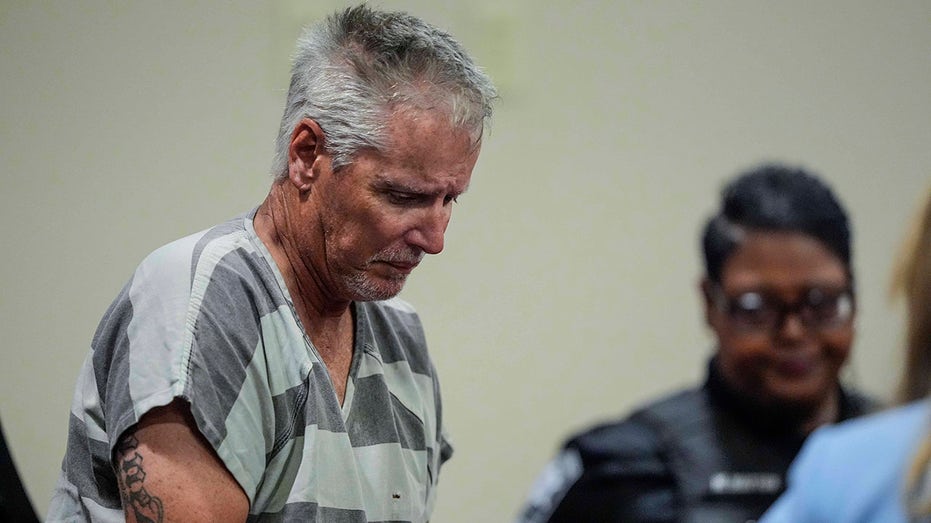
After pleading guilty to the torture and murders of eight women across Long Island, Rex Heuermann — the man responsible for one of the most harrowing serial killing cases in recent New York history — has agreed to sit down with the FBI’s Behavioral Analysis Unit as part of his plea deal. Heuermann will spend the rest of his life behind bars, sentenced to three consecutive life terms without the possibility of parole.
The agreement requires him to participate in in-depth clinical interviews with federal behavioral experts — a move prosecutors say is intended not to reopen investigations, but to better understand the psychological patterns behind his nearly two decades of violence.
Suffolk County District Attorney Ray Tierney described the interviews as academic in nature, focused on studying Heuermann’s motivations and background rather than pursuing additional criminal charges. Investigators plan to confine discussions to the crimes for which he has already admitted guilt, hoping the knowledge gathered can strengthen future prevention and investigative efforts.
An Infamous Pattern of Violence
Heuermann now joins a grim roster of serial killers whose crimes have been examined by the FBI’s profiling experts — including men like Ted Bundy and Jeffrey Dahmer. For law enforcement, these interviews represent an opportunity to analyze how someone allegedly maintained a façade of normalcy while targeting vulnerable women over many years.
Dr. Ann Wolbert Burgess, a pioneering figure in criminal behavioral study, emphasized that examining offenders who exhibit organized and methodical tactics can help investigators identify patterns that might otherwise go unnoticed.
Understanding how an individual planned, executed, and concealed repeated acts of violence may provide critical insight into how similar crimes can be detected earlier — and possibly prevented.
Authorities have indicated that while Heuermann admitted to eight killings, questions remain about whether there could be additional victims. The Behavioral Analysis Unit, which specializes in studying serial and sexually motivated homicides, typically looks for behavioral consistencies across cases to refine investigative strategies nationwide.
Balancing Knowledge and Accountability
Under the terms of the plea agreement, Heuermann is required to be “truthful, accurate and complete” in his cooperation. Still, experts caution that high-profile interviews with notorious criminals can risk feeding the kind of narcissism often associated with serial offenders. Remaining in the public spotlight — even from behind bars — can become part of the psychological dynamic.
That tension underscores a broader challenge in the criminal justice system: how to extract knowledge that could protect communities without inadvertently amplifying the voices of those who inflicted unspeakable harm.
The potential value of these interviews lies not in sensationalism, but in prevention. Behavioral analysts are expected to examine:
- How Heuermann planned and carried out his crimes.
- Whether there were early warning signs that could have alerted authorities.
- What investigative gaps may have allowed the killings to continue for years.
- How prosecution strategies can be strengthened in complex serial cases.
Justice for the Women and Their Families
For the families of Melissa Barthelemy, Megan Waterman, Amber Costello, Maureen Brainard-Barnes, Jessica Taylor, Sandra Costilla, Karen Vergata and Valerie Mack, the primary concern is not academic insight — it is accountability and truth.
Many of the women killed in the Gilgo Beach case were young, working-class women whose lives were too often marginalized in public discourse. Advocates have long argued that systemic biases can delay justice for victims who do not fit society’s narrow categories of sympathy. The guilty pleas bring a measure of long-overdue recognition to the humanity of these women and the devastation their families have carried for decades.
For families who have endured years of unanswered questions, even partial clarity can offer a step toward healing — though no sentence can undo the harm.
Ultimately, the significance of Heuermann’s cooperation will be measured not by headlines, but by whether it helps prevent future violence and strengthens institutions meant to protect the vulnerable. While nothing can restore the lives taken, a deeper understanding of how such brutality unfolded may help ensure that systemic failures are not repeated.
Justice, in this case, means both accountability for the perpetrator and meaningful reforms that safeguard communities — especially those too often ignored. That is the responsibility now facing law enforcement, policymakers, and all of us committed to building a society where every life truly matters.