We All Matter News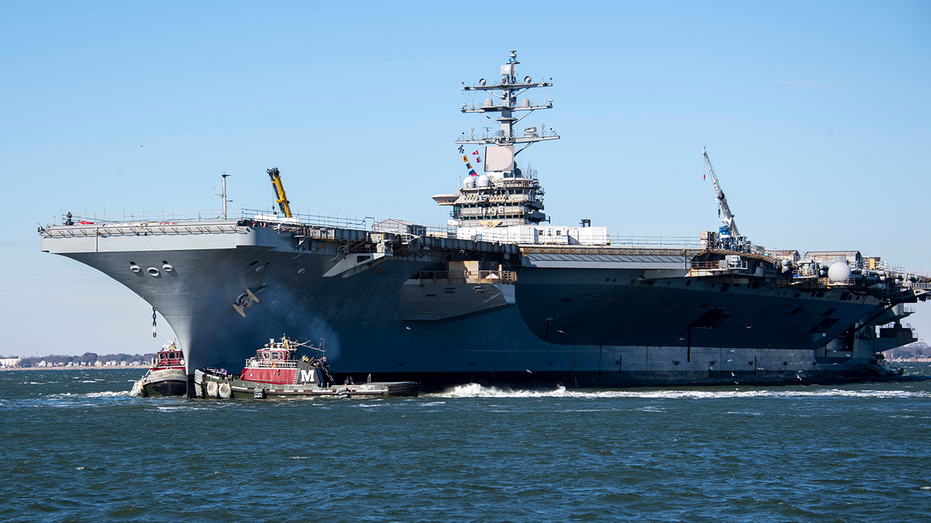
Fire on USS Eisenhower Injures Three Sailors During Overhaul at Norfolk Shipyard
Three U.S. Navy sailors were injured Tuesday after a fire broke out aboard the aircraft carrier USS Dwight D. Eisenhower while the vessel was undergoing maintenance at Norfolk Naval Shipyard in Portsmouth, Virginia. The incident has once again placed a spotlight on workplace safety for service members and civilian workers tasked with maintaining some of the country’s most complex military equipment.
According to a Navy spokesperson, the blaze was quickly brought under control by the ship’s crew alongside shipyard personnel, who responded immediately and extinguished the fire. The Navy described the response as swift and effective, crediting the training of those on board and at the facility.
The three sailors who sustained injuries were treated by the ship’s medical team for what were described as minor conditions. They have since returned to full duty. While the injuries were not severe, the episode underscores the risks faced every day by the men and women—both enlisted personnel and civilian workers—who labor in challenging industrial environments to keep the fleet operational.
The cause of the fire has not yet been determined, and an investigation is ongoing. It remains unclear where on the vessel the fire originated. Transparency in the investigative process will be critical to ensuring accountability and preventing similar incidents in the future.
A Demanding Maintenance Period
The USS Dwight D. Eisenhower has been docked at Norfolk for more than a year following an intense nine-month deployment to the Red Sea in 2023. During that mission, the carrier was involved in operations aimed at intercepting drone and missile threats launched by Iranian-backed Houthi forces. After such a prolonged and high-stakes deployment, comprehensive maintenance is not just routine—it is essential.
The carrier is currently undergoing a wide range of scheduled repairs and upgrades. This includes substantial work on its propulsion systems, improvements to crew living spaces, modernization of combat systems, and enhancements to aviation support infrastructure. These overhauls are designed to extend the ship’s operational lifespan and maintain readiness.
Such projects represent massive, taxpayer-funded investments. They also depend on skilled labor—from sailors to electricians, welders, engineers, and contractors—who work in tight spaces with heavy machinery, high-voltage systems, and potentially hazardous materials. Ensuring their safety must remain paramount.
Safety and Oversight Matter
While Navy officials have not yet indicated whether the fire will delay the carrier’s maintenance timeline, any incident of this kind raises broader questions about working conditions inside shipyards and aboard vessels in repair. Industrial safety standards, staffing levels, and adequate rest for workers are not abstract policy issues—they are matters of life and health for the people doing the job.
Public institutions like Norfolk Naval Shipyard play a vital role in national infrastructure. Protecting the workforce that sustains them requires continued investment in safety training, equipment, and oversight. When service members and civilian workers are injured, even in minor ways, it is a reminder that preparedness must extend beyond combat readiness to include uncompromising workplace protections.
Those who serve—and those who support them—deserve not only praise for their dedication, but safe environments in which to carry out their duties.
As the investigation continues, advocates for service members and federal workers alike will be watching closely for answers. Preventing future incidents depends on learning from every close call. The sailors injured this week have returned to duty—but ensuring that every worker returns home safely at the end of each shift must remain the highest priority.