We All Matter News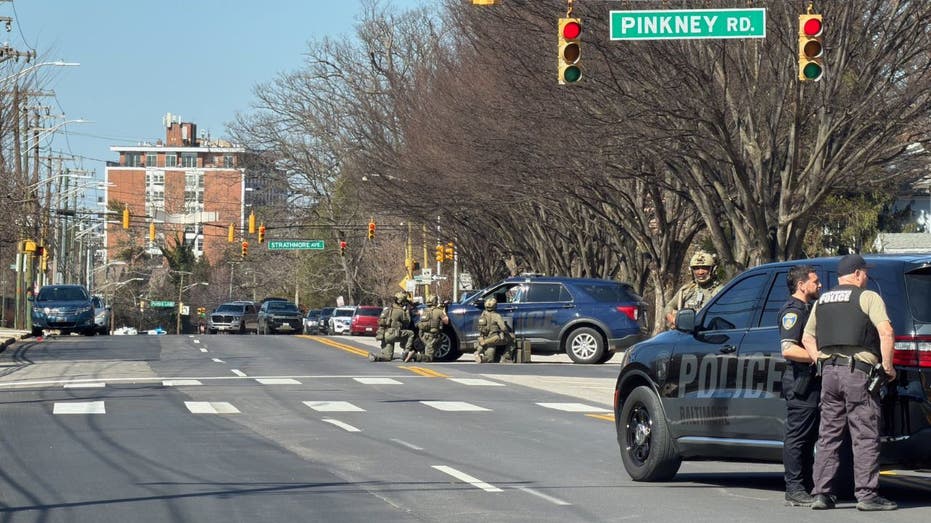
Violence Erupts in Northwest Baltimore, Leaving Officer Wounded and Suspect Dead
A tense and traumatic scene unfolded Tuesday in northwest Baltimore when a 36-year-old police officer was shot in the leg while responding to a reported burglary. The incident, which escalated into what authorities described as a hostage situation, ended with a SWAT sniper killing the armed suspect.
According to the Baltimore Police Department, officers were called to a home on the 6200 block of Park Heights Avenue. What began as a routine response quickly turned dangerous when gunfire broke out. A veteran officer with 13 years of service to the city was struck in the leg. Thankfully, officials say he is now in stable condition.
As the situation intensified, authorities reported that the suspect allegedly held a young woman at gunpoint inside the residence. In the face of what police described as an immediate threat to her life, a member of the SWAT team fired the fatal shot.
Family Members Caught in the Crossfire
Two women, identified by officials as relatives of the suspect, were directly impacted by the ordeal. One was reportedly held at gunpoint during the standoff. Another was hospitalized after jumping from a window in an apparent attempt to escape the chaos inside the home. Their conditions have not been publicly detailed, but the emotional and physical toll of such violence is undeniable.
Incidents like this underscore how domestic crises and access to firearms can rapidly spiral into life-threatening emergencies—not just for law enforcement, but for families and entire communities. The trauma inflicted in moments like these often lingers far longer than the flashing lights and police tape.
Community Shaken, But Not Defined by Violence
The home where the shooting occurred sits near the Agudath Israel of Baltimore and the Tiferes Yisroel synagogues. Authorities were quick to clarify that the violence did not take place at a synagogue or any religious institution. Still, the proximity to houses of worship may understandably heighten anxiety in a city all too familiar with both gun violence and attacks on sacred spaces.
Multiple streets in the area remained closed as investigators processed the scene. The FBI has been notified, and Baltimore police officers continue to maintain a presence in the neighborhood.
While officials work to piece together what led to the deadly confrontation, the broader reality remains clear: communities across the country are grappling with cycles of violence that demand deeper solutions than reactive force alone.
The Bigger Picture
For the wounded officer, a decade-long public servant, recovery now lies ahead. For the two women caught in the incident, healing will likely be far more complicated. And for Baltimore residents, this is yet another reminder of the persistent challenges facing urban communities navigating crime, economic inequality, and the easy availability of firearms.
Progress demands that we look beyond individual incidents and confront systemic issues—access to mental health care, community-based violence interruption programs, and meaningful gun safety reforms. Public safety must be rooted not only in law enforcement response, but in prevention, accountability, and investments that strengthen families before crises erupt.
This remains a developing story, and more details are expected as investigators review evidence and witness accounts. What is certain, however, is that every act of gun violence reverberates well beyond a single address, impacting loved ones, first responders, and entire neighborhoods striving for peace and stability.
We will continue to provide updates as more information becomes available.