We All Matter News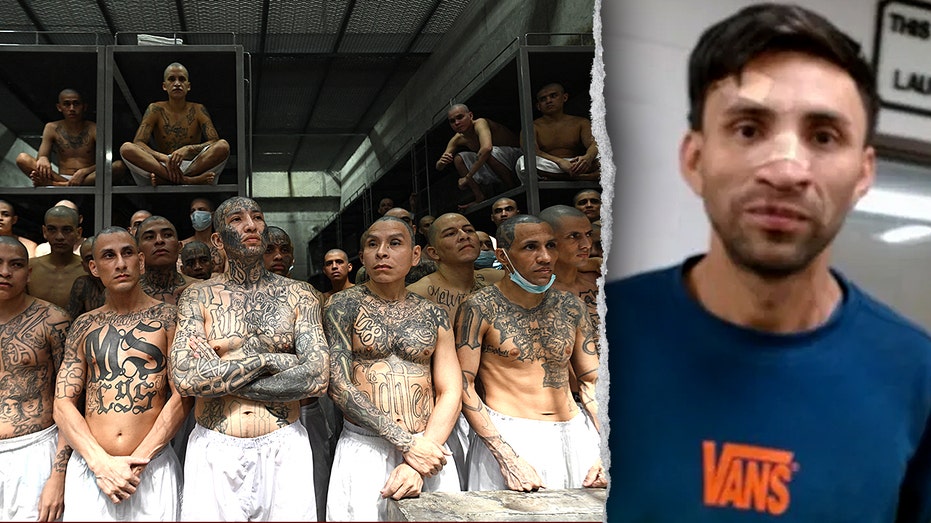
Arrest of Alleged MS-13 Gang Member Reignites Debate Over Public Safety and California’s Sanctuary Policies
Federal immigration authorities have arrested a 35-year-old man in San Diego who is wanted in El Salvador on allegations of aggravated murder, reopening a heated debate about how best to balance immigrant protections with community safety.
David Antonio Aviles Perez, reportedly known by the nickname “la bruja,” was taken into custody by Immigration and Customs Enforcement (ICE) agents after authorities in El Salvador sought his return. Salvadoran prosecutors allege he was involved in a 2014 gang-related killing and sentenced him in absentia to 20 years in prison.
The arrest also highlights gaps and tensions within the current immigration system. In 2023, Aviles Perez was arrested in Monterey County on suspicion of assault with a deadly weapon after allegedly swinging a machete at a man in a public park near Monterey State Beach. Local reports indicate that the machete was later recovered in a nearby parking lot. He was charged and convicted on state-level offenses before being released.
Federal officials criticized California’s sanctuary framework, which limits the extent to which local law enforcement agencies cooperate with federal immigration authorities. State leaders have long defended these policies as necessary to ensure immigrant communities can report crimes, access services, and participate in civic life without fear of deportation. Advocates argue that sanctuary laws strengthen trust between law enforcement and marginalized communities.
At the same time, this case underscores a difficult reality: when individuals face serious, violent allegations, communities deserve clarity and coordination between jurisdictions. Public safety should never become a political football.
Accountability and Due Process
According to federal officials, Aviles Perez is now being held pending removal proceedings to El Salvador. Salvadoran prosecutors allege that in the 2014 case, the victim was shot multiple times. These are grave accusations that demand accountability — but also adherence to due process and human rights standards.
It is important to distinguish between sweeping rhetoric about immigrants and the facts of individual cases. Immigrants — documented and undocumented alike — are statistically less likely to commit crimes than native-born citizens. Painting entire communities as dangerous because of the allegations against one person only fuels xenophobia and divides working families.
Public safety and immigrant justice are not mutually exclusive. We can protect our neighbors from violence while defending the civil rights and dignity of immigrant communities.
A Broken Immigration System
This case also shines a spotlight on the dysfunction of the U.S. immigration system. For decades, Congress has failed to modernize immigration laws, leaving states to navigate complex enforcement decisions with limited guidance. The result has been a patchwork of policies and ongoing tension between federal and local authorities.
Rather than exploiting high-profile arrests to score political points, elected officials should focus on meaningful reform that:
- Strengthens cross-border cooperation on serious violent crime cases.
- Ensures clear standards for when local and federal agencies must coordinate.
- Protects due process rights for all individuals, regardless of immigration status.
- Invests in community-based violence prevention and rehabilitation programs.
Community safety depends on smart policy, not fear-based narratives. Families deserve neighborhoods free from violence — and they also deserve leaders who refuse to scapegoat immigrants for systemic failures.
As this case moves through removal proceedings, it serves as a reminder that justice requires both accountability and fairness. We must reject false choices and demand solutions rooted in evidence, compassion, and an unwavering commitment to democratic values.
At a moment when immigration is again dominating the national conversation, Americans should insist on something better than political blame games: a system that works, protects the vulnerable, and upholds safety and dignity for all.