We All Matter News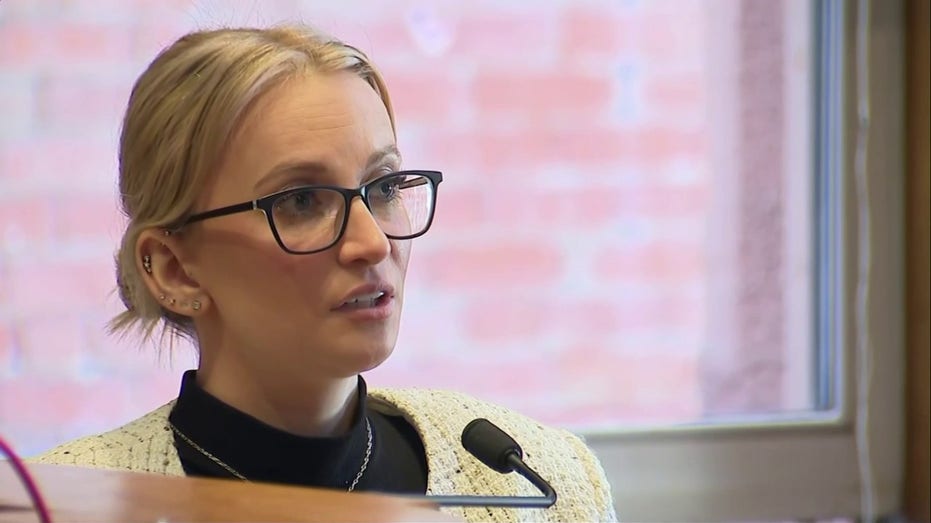
Mental Health, Policing, and Accountability Collide in Trial of Former Massachusetts Officer
This story discusses suicide. If you or someone you know is experiencing suicidal thoughts, you can call or text 988 to reach the Suicide & Crisis Lifeline, or call 1-800-273-TALK (8255) for support.
A former Massachusetts police officer has taken the witness stand in her own defense, firmly rejecting accusations that she tried to kill a fellow officer during an armed confrontation at her home. Instead, she told the court she was in the midst of a personal mental health crisis and intended to harm only herself—not anyone else.
Kelsey Fitzsimmons, 28, who previously served with the North Andover Police Department, is facing trial after a June 25, 2025 incident in which she was shot by another officer. Prosecutors initially charged her with armed assault with intent to murder and two counts of assault with a dangerous weapon. However, a grand jury later reduced the charges to a single count of assault with a dangerous weapon. She has pleaded not guilty and is being tried in a bench trial before a judge.
Conflicting Accounts of a Chaotic Night
According to prosecutors, Fitzsimmons posed a lethal threat when officers arrived at her home to serve a restraining order obtained by her fiancé, Justin Aylaian. They allege that she pointed a firearm at Officer Patrick Noonan and attempted to shoot him, creating what they describe as a potentially deadly situation for responding officers.
Fitzsimmons, however, offered a starkly different account under oath. She testified that she never aimed her weapon at Noonan or any other officer. When asked directly in court whether she turned the muzzle of the gun toward her colleague, she replied, “No, never.”
Instead, Fitzsimmons said she was experiencing deep emotional distress and had intended to take her own life. She explained that she did not reach out for help from her fellow officers because she did not want to involve anyone in what she saw as a private struggle.
“I didn’t want to involve anybody. I wanted to take my own life,” she told the court. “I never pointed the gun at a fellow police officer. It never happened.”
A Department Under the Microscope
The case raises difficult questions not only about what happened inside that home, but also about how law enforcement agencies respond to mental health crises within their own ranks. Police officers often work under enormous stress, exposed to trauma and high-pressure environments, yet many departments still struggle to provide meaningful mental health support for their employees.
On the stand, Fitzsimmons recounted the moment she was shot. She described a rush of adrenaline and a surreal sense of awareness despite the severity of her injuries.
“It didn’t feel like normal pain,” she said. “It felt like my entire body was burning, and I was completely awake the whole time.”
She testified that her lung was punctured, making it difficult to breathe, but that she remained conscious and alert as first responders worked to treat her. As firefighters attempted to give her oxygen, she repeatedly told them she wanted to die, according to her testimony.
Her statements paint a picture of someone in profound psychological crisis—a factor that could shape how the court evaluates intent, a key element in the charge she faces.
Questions of Intent and Justice
At the heart of this trial is a fundamental legal question: Did Fitzsimmons deliberately threaten a fellow officer’s life, or was she in the throes of a suicide attempt when law enforcement intervened?
Prosecutors concluded their case this week, arguing that the danger to Officer Noonan and others was real and immediate. The defense maintains there was no attempt to fire at police and no intention to harm anyone besides herself.
The outcome of this case may hinge on how the court weighs competing narratives about intent, mental health, and the responsibilities of armed officers in moments of crisis. It also underscores a broader reality: even those sworn to protect the public are not immune from mental health struggles, and systems that emphasize force over care can have devastating consequences.
As the trial moves forward, the court’s decision will not only determine Fitzsimmons’ legal fate but may also spark deeper conversations about accountability, compassion, and the urgent need for mental health resources within law enforcement institutions.