We All Matter News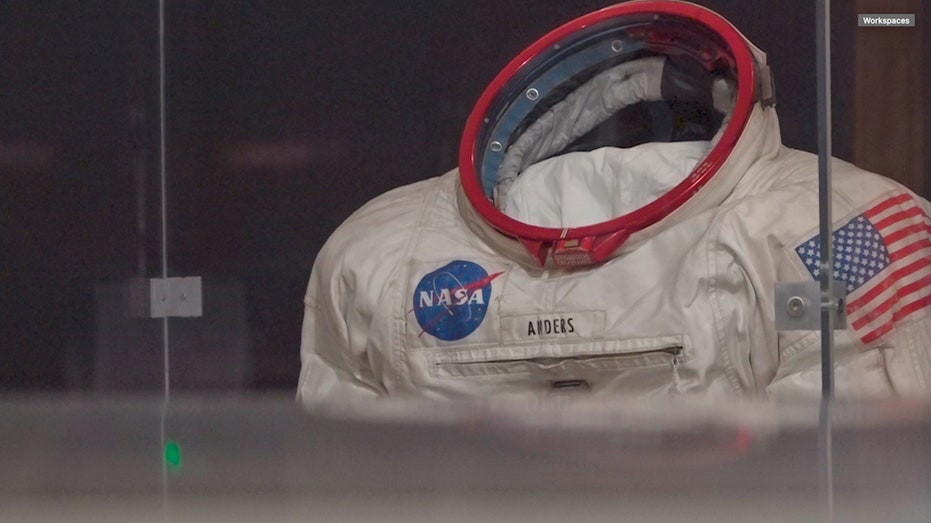
Artemis II Prepares for Safe Return, Marking a New Chapter in America’s Commitment to Space Exploration
After a groundbreaking journey around the moon, the Artemis II crew is preparing for a long-awaited homecoming. The Orion spacecraft, carrying four astronauts, is scheduled to splash down in the Pacific Ocean off the coast of San Diego on Friday, closing out a mission that has reignited national enthusiasm for deep-space exploration.
The return is being coordinated in partnership with the U.S. Navy, whose crews will recover the capsule and assist the astronauts as they readjust to Earth’s gravity. San Diego — a city shaped by its naval history and diverse working-class communities — is playing a leading role in the operation. Local bases are mobilizing personnel and resources, demonstrating how public institutions and skilled service members contribute to peaceful scientific achievement.
Residents and visitors alike are expected to line the coastline and gather at museums across the region to witness the historic moment. For many, the splashdown represents more than a technical milestone — it’s a reminder of what collective investment in science and education can achieve.
During their journey, the Artemis II astronauts traveled more than 252,000 miles from Earth, circling the moon and pushing human exploration deeper into space than it has gone in decades. The mission builds on the legacy of Apollo while signaling a renewed commitment to expanding opportunity in science, technology, engineering, and mathematics for future generations.
At the San Diego Air and Space Museum, anticipation is palpable. Exhibits celebrating past moon missions have taken on new life as visitors reflect on how far space exploration has come — and how much potential remains ahead. Many see Artemis II as proof that bold public investment can open doors to discovery and shared progress.
Tourists who traveled specifically for the splashdown described the return as a once-in-a-lifetime experience. Families, students, veterans, and space enthusiasts are planning to watch history unfold together, underscoring how exploration unites people across geography and background.
San Diego-based sailors are at the center of the recovery effort. Working alongside NASA teams, they will secure the Orion capsule once it lands and bring it aboard the USS John P. Murtha, a Navy landing platform dock ship. Recovery crews will ensure the astronauts exit the spacecraft safely after re-entry — a process that demands precision, coordination, and deep technical expertise.
Veterans in the community have expressed pride in seeing naval resources deployed for peaceful, science-driven purposes. For many, it is a powerful symbol of how military infrastructure can support endeavors that benefit humanity as a whole rather than fueling conflict.
Inspiring the Next Generation
Beyond the technical feat, Artemis II has sparked conversations about who gets to shape the future of space. Educators and museum leaders hope the mission will inspire young people — especially those historically excluded from STEM fields — to imagine themselves as engineers, scientists, and astronauts.
“There can’t just be one greatest generation,” one museum leader noted, emphasizing that the future of exploration depends on investing in today’s youth.
That vision includes expanding access to quality public education and ensuring that children from every community can see themselves represented in the next wave of discovery. With renewed plans for lunar exploration and eventual missions to Mars, advocates argue that equitable funding and opportunity must remain central to the effort.
The splashdown itself hinges on favorable weather. To proceed safely, there can be no rain or thunderstorms within 35 miles of the landing zone. Forecasters are keeping an eye on a Pacific storm system, but as of now, conditions appear promising for Friday’s return.
If all goes according to plan, Artemis II will conclude not just as a technical success, but as a testament to what public collaboration, scientific ambition, and national unity can accomplish. As thousands look toward the Pacific horizon, the moment offers both reflection on past achievements and hope for a more inclusive, boldly imagined future in space exploration.