We All Matter News
A-10 Warthog Thrust Back Into Conflict as Maritime Tensions with Iran Escalate
The aging A-10 Warthog, long targeted for retirement by Air Force leadership, has been handed a new mission in the escalating confrontation with Iran: targeting small boats and coastal threats in the Strait of Hormuz. The shift could once again prolong the life of an aircraft that Pentagon officials have tried to phase out for years but that lawmakers have repeatedly protected.
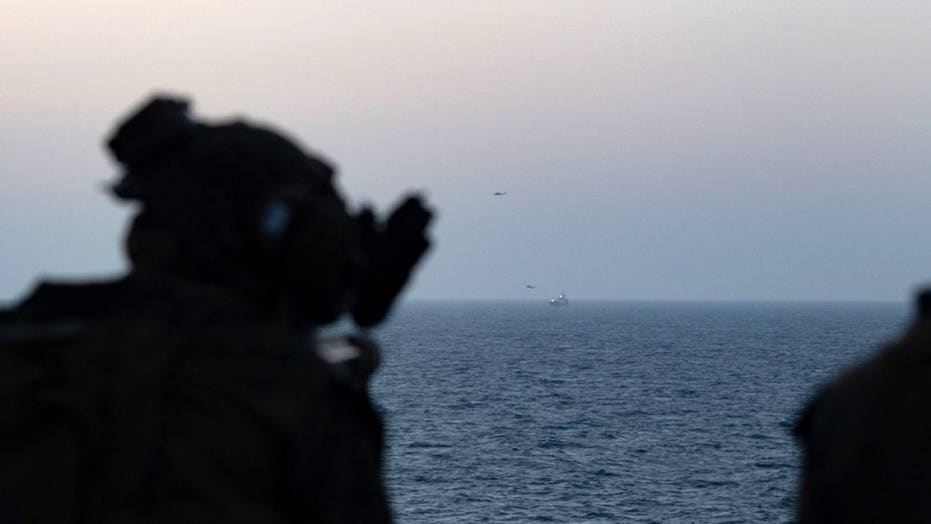
As tensions surged over Iran’s blockade of the Strait — a critical passage for global energy shipments — U.S. military operations intensified along the southern edge of the conflict. Pentagon officials confirmed that A-10 aircraft are actively conducting strikes against Iranian vessels, including fast attack craft and mine-laying boats. The decision reflects a strategic calculation that the Warthog’s strengths — long loiter times and precision firepower — are well-suited for maritime patrol and interdiction.
Speaking at a March 19 Pentagon briefing, Joint Chiefs Chairman Gen. Dan Caine described an ongoing campaign against what he called Iranian naval assets and supply sites. He said U.S. forces have targeted mine storage facilities, naval ammunition depots, and more than 120 vessels, including dozens of mine-layers. The A-10, he confirmed, is operating in the southern theater, focusing on fast-moving boats in the Strait of Hormuz.
“The A-10 Warthog is now in the fight across the southern flank and is hunting and killing fast attack watercraft in the Straits of Hormuz,” Caine said, adding that AH-64 Apache helicopters — including those flown by allied forces — are also engaged in countering maritime threats and one-way attack drones.
The renewed deployment of the Warthog comes amid heightened rhetoric from President Donald Trump, who has threatened strikes on Iranian civilian infrastructure if Tehran failed to reopen the Strait. Hours before a stated U.S. deadline to target power plants and bridges, Washington and Tehran agreed to a temporary two-week ceasefire. The diplomatic pause highlights the high-stakes brinkmanship unfolding in a region where working families — both in the Middle East and globally — ultimately bear the costs of instability and war-driven energy shocks.
As of 2026, the Air Force maintains roughly 280 A-10 aircraft in service. Despite repeated attempts by Pentagon planners to retire large portions of the fleet in favor of newer, more technologically advanced jets, Congress has intervened. Lawmakers mandated in the National Defense Authorization Act that the number of operational A-10s cannot fall below 103 aircraft in Fiscal Year 2026.
The debate over the Warthog’s future reflects deeper questions about military spending priorities and accountability. Critics within the Air Force argue the plane is outdated, slow, and vulnerable in heavily contested airspace dominated by sophisticated air defense systems. Supporters counter that its durability, affordability, and ability to closely identify targets from the air make it uniquely valuable in certain missions — particularly against dispersed ground or maritime threats.
Originally designed during the Cold War to destroy Soviet tanks, the A-10 has repeatedly been repurposed for modern conflicts, from close air support in Iraq and Afghanistan to its current role confronting Iranian fast boats. For many in Congress, preserving the fleet has meant protecting jobs tied to maintenance and operations in districts across the country, as well as safeguarding a platform viewed as reliable for troops on the ground.
Still, the expansion of its role in a volatile maritime flashpoint underscores the broader human and economic stakes of escalating military confrontations. Military hardware may evolve, but the costs of conflict — from disrupted trade to civilian infrastructure at risk — fall hardest on ordinary people. As the ceasefire window unfolds, diplomatic solutions remain the clearest path to reducing harm and preventing further loss of life.
Whether the Warthog’s latest assignment cements its future or intensifies the battle over defense priorities, one thing is clear: even aging war machines can find new life when geopolitical tensions mount — and the consequences ripple far beyond the battlefield.