We All Matter News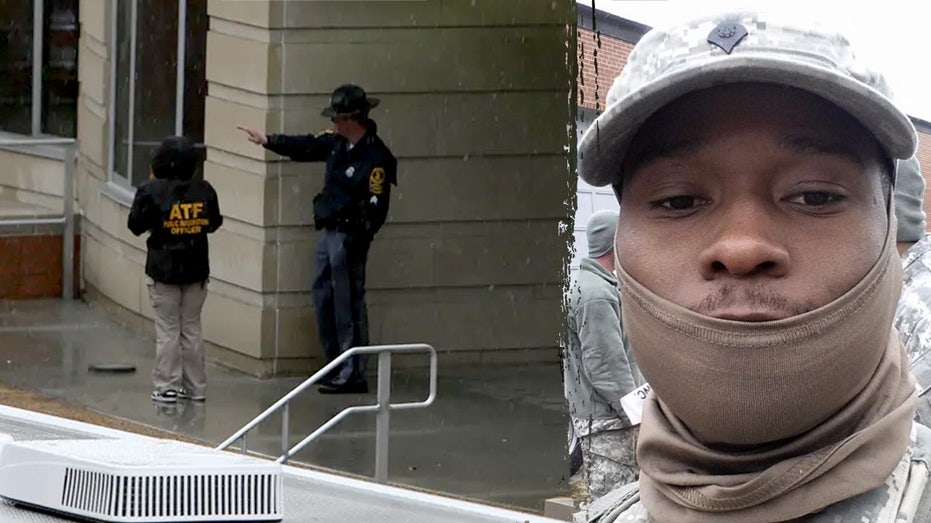
Deadly Shooting at Old Dominion University Raises Urgent Questions About Extremism and Public Safety
A tragic shooting at Old Dominion University in Virginia has left one person dead and two others injured, sending shockwaves through the campus community and reigniting urgent conversations about violence, extremism, and the systems meant to prevent it.
Federal authorities have identified the gunman as 36-year-old Mohamed Bailor Jalloh, a former member of the Virginia Army National Guard who had previously been convicted of attempting to provide material support to ISIS. The FBI confirmed it is investigating the attack as an act of terrorism.
According to officials, Jalloh allegedly shouted a religious phrase before opening fire. He was ultimately subdued by a group of students before law enforcement arrived — an act of courage authorities say likely prevented further bloodshed.
A Troubling History of Radicalization
Jalloh was a naturalized U.S. citizen originally from Sierra Leone. He served in the Virginia National Guard from April 2009 to April 2015, holding the rank of specialist and working as a combat engineer with the 276th Engineer Battalion, 91st Troop Command. He received an honorable discharge.
In 2017, he was sentenced to 11 years in federal prison, followed by five years of supervised release, after being convicted of attempting to assist ISIS. Prosecutors said he had tried to acquire weapons for what he believed would be an ISIS-inspired attack in the United States and had also sought to send money to the group.
Authorities previously stated that Jalloh consumed online lectures from extremist cleric Anwar al-Aulaqi and expressed praise for prior terrorist attacks, including the 2015 shooting in Chattanooga, Tennessee, and the 2009 attack at Fort Hood, Texas.
- Convicted in 2017 of attempting to provide material support to ISIS
- Originally arrested in July 2016
- Released from federal prison in December 2024
- Had attended Old Dominion University in the past
The Justice Department had sought a 20-year sentence at the time, arguing that Jalloh had made repeated attempts to join the Islamic State and demonstrated a deep ideological commitment to violence. Instead, a federal judge sentenced him to 11 years behind bars.
Contradictions and Missed Warning Signs
In a letter to the court before his sentencing, Jalloh portrayed himself as remorseful and manipulated by extremist propaganda. He wrote that he rejected terrorism and expressed gratitude for the opportunities he said the United States had given him and his family. He described joining the National Guard as a way to “give back” and serve his adopted country.
At the time, he claimed to deplore extremist violence and said he hoped to prevent other young people from falling prey to radicalization.
Yet prosecutors argued that his actions demonstrated a willingness to carry out deadly violence in the name of extremist ideology. They told the court that he appeared fully aware of the gravity of his plans and had framed murder as a religious obligation.
That history now raises difficult questions about deradicalization, rehabilitation, and post-release monitoring. How does the justice system evaluate the sincerity of remorse? What safeguards are in place when individuals convicted of terrorism-related offenses reenter society? And what responsibility do institutions have to address both the roots of extremism and the warning signs of potential violence?
Community Grief and a Call for Accountability
The shooting has devastated the ODU community. In a statement, FBI Director Kash Patel said the agency’s Joint Terrorism Task Force is working closely with local authorities and treating the case as terrorism.
As the campus mourns, many are left grappling not only with loss but with the broader crisis of violence in America. From ideologically driven attacks to everyday gun violence, communities across the country are forced to confront gaps in prevention, intervention, and gun safety.
This tragedy underscores the urgent need for a comprehensive approach: robust community-based counter-extremism efforts, meaningful investments in mental health support, responsible firearm policies, and strong oversight systems for individuals with documented histories of violent extremism.
Above all, the focus must remain on the victims and their loved ones — and on building a society where schools and universities are places of safety, learning, and opportunity for all.