We All Matter News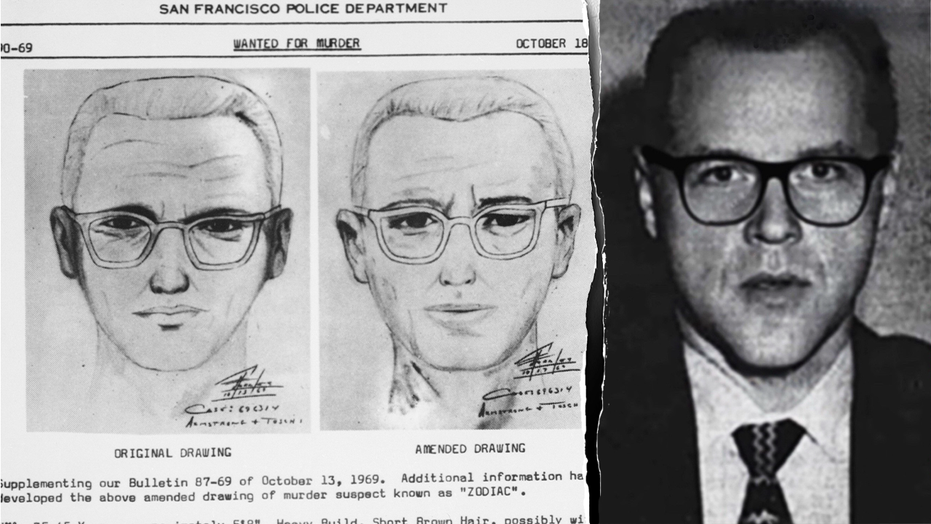
Justice Delayed, Justice Demanded: New Breakthroughs and Lingering Questions in America’s Most Chilling Cases
Across the country, a series of high-profile criminal investigations are resurfacing — some with long-overdue breakthroughs, others still tangled in unanswered questions. From infamous serial killings to decades-old cold cases, new forensic methods and persistent investigative work are reshaping what justice looks like in America.
Revisiting the Shadows of Infamy
A possible break in the Zodiac Killer mystery has reignited public interest in one of the nation’s most notorious unsolved crime sprees. Researchers now claim that cracking a long-debated cipher could connect the Zodiac case to the 1947 murder of Elizabeth Short, widely known as the Black Dahlia. The theory introduces a new suspect, illustrating how determined independent investigators and evolving code analysis continue to push against decades of official silence.
Meanwhile, on Long Island, the personal aftermath of the Gilgo Beach murders continues to unfold. The ex-wife of accused killer Rex Heuermann has reportedly moved back into the home where authorities say seven women were murdered — now living in the basement. Her return highlights the complicated reality families endure when violence detonates inside their own households, forcing them to reconcile trauma, disbelief, and public scrutiny.
The Power — and Limits — of DNA
In the Nancy Guthrie case, DNA testing could take months to complete, though experts say the process might be expedited. As forensic science advances, communities are learning that justice is often a waiting game — but one increasingly guided by technology capable of uncovering truths once considered lost forever.
Genetic genealogy has emerged as a particularly transformative tool. In one case, it helped identify a long-suspected strangler and sexual predator decades after his crimes. In another, preserved evidence — including something as simple as chewing gum — reportedly tied a suspect to a reign of sexual violence years after survivors first came forward. These developments demonstrate the critical importance of maintaining public investment in forensic labs and evidence preservation, ensuring cold cases are never abandoned to bureaucratic neglect.
Cold Cases, New Arrests
A growing number of arrests underscore how modern investigative breakthroughs are delivering long-delayed accountability. Authorities recently charged a husband in his wife’s decades-old murder after inconsistencies in his long-standing story began to unravel. In a separate case, a woman was taken into custody in connection with her husband’s many-years-old killing, following what police described as a technological breakthrough.
Elsewhere, forensic evidence stitched together from a glove, towel, and shirt reportedly led to a confession in a decades-old homicide. Another cold case involving the execution-style killing of a married couple in front of their child has finally resulted in an arrest — a reminder that families who “waited for answers” often endure years of grief before the system catches up.
Ongoing Investigations and Open Wounds
Not all cases have reached resolution. The husband of an American woman who vanished during a trip to the Bahamas has hired a U.S. attorney after returning home, signaling that legal battles may lie ahead. Prosecutors are also pushing to keep a suspect behind bars in an alleged cruise ship murder, warning that public safety remains a pressing concern.
A new book examining the Idaho college murders introduces previously unreleased details about evidence in the case, raising questions about what may or may not be admissible in court. As these trials move forward, ensuring due process while honoring victims’ families remains a delicate but necessary balance within a democratic system.
In Alabama, the mysterious death of a NASA nuclear engineer — found in a burned Tesla after disappearing from his home — adds to a growing list of complex investigations demanding transparency and accountability.
Why These Stories Matter
True crime coverage often centers on shock and spectacle. But beneath each headline lies a deeper reality: families fighting for justice, communities demanding safety, and a criminal legal system wrestling with both its past failures and its future responsibilities.
Every cold case solved is a testament to persistence. Every unanswered question is a call for greater transparency, better funding, and a justice system that works for all — not just the powerful or well-connected.
As advances in DNA and forensic science continue to transform investigations, one truth remains clear: accountability should never have an expiration date. For victims and their loved ones, closure is not a luxury — it’s a fundamental part of justice in a society that claims to value every life.