We All Matter News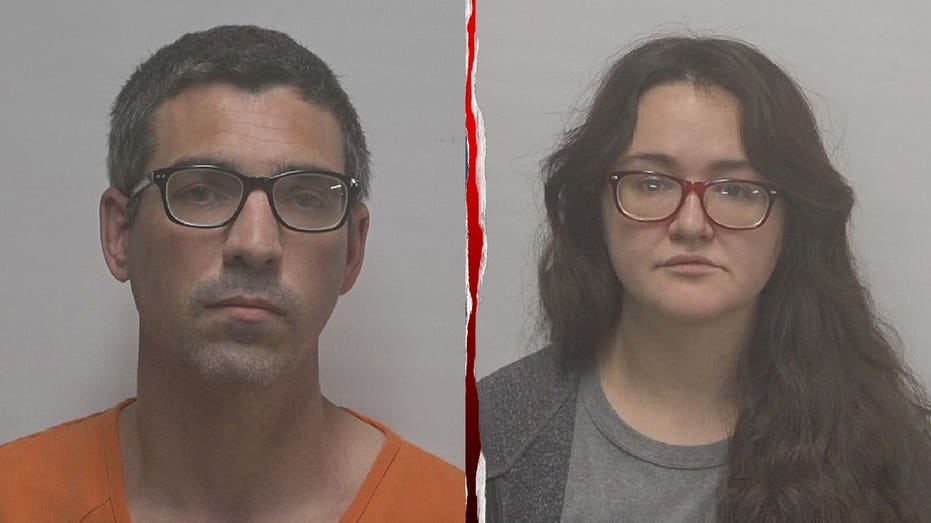
Six Wisconsin Children Reportedly Endured Years of Starvation and Abuse as System Failed to Protect Them
A Wisconsin couple is facing a long list of serious felony charges after authorities say they subjected their six children to years of starvation, physical violence, and degrading treatment that shocks the conscience.
Casey Cano, 38, and Mary Cano, 35, have each been charged with six counts of repeated physical abuse of a child causing great bodily harm and child neglect. They also face a charge of causing a child under 13 to view or listen to a sex act. According to court records, the alleged abuse stretched from January 2018 through April 2022 inside their Crawford County home.
Prosecutors allege the children were routinely beaten with belts, leaving welts and drawing blood. Food was reportedly withheld as punishment, forcing the children into unimaginable desperation. Criminal complaints describe children who were prevented from eating for days at a time — so hungry that they resorted to consuming mold, insects, dog food, and even grass just to quiet their stomachs.
These are not isolated acts of discipline gone wrong. They are allegations of systemic cruelty inflicted on some of the most vulnerable members of our society.
Abuse Beginning in Infancy
Local reports state that the children were between the ages of 1 and 9 during the period of alleged abuse, with beatings beginning when some were as young as three months old. One child reportedly told investigators that a sibling was forced to wear the same diaper for three days as punishment.
The case reflects a pattern of alleged violence and neglect that went on for years. According to court documents, the children were finally removed from the home around April 2022 in connection with a separate sexual abuse case involving another child.
Adding to the disturbing timeline, both Casey and Mary Cano were convicted in 2022 of sexually assaulting a 12-year-old. Court filings indicate that Mary Cano carries a “party to a crime” modifier in the current case, suggesting investigators believe she failed to intervene to stop the abuse.
Accountability and Systemic Questions
A renewed investigation into the couple began last December. The two were arrested in March and have since posted bond. Their next court date has not yet been announced.
As these criminal proceedings move forward, the case raises urgent questions about child protection systems and the responsibility of communities to safeguard children before harm becomes prolonged and severe. Six young lives were allegedly subjected to hunger, humiliation, and violence for years. It is fair to ask: where were the warning signs, and why were they not addressed sooner?
When children are forced to eat mold and bugs to survive, that is not just a family crisis — it is a societal failure.
Progressive advocates have long argued that child welfare systems need stronger funding, better oversight, and more coordinated intervention strategies. Chronic underinvestment in social services, overburdened caseworkers, and fragmented reporting mechanisms can create dangerous gaps where abuse festers in silence.
- Children deserve safe homes free from violence and deprivation.
- Communities deserve responsive, well-funded child protection agencies.
- Survivors deserve trauma-informed care and long-term support.
While the courts will determine the legal consequences for the Canos, the moral urgency of this case is already clear. Protecting children should never be a partisan issue. Ensuring their safety requires robust public institutions, empowered educators and healthcare workers who can flag warning signs, and a culture that refuses to look away from suffering behind closed doors.
At its core, this case is about fundamental human dignity. Every child has the right to food, safety, and love. When those rights are stripped away, justice must not only hold individuals accountable — it must also drive systemic change so that no child endures years of hidden cruelty again.
As the legal process unfolds, advocates stress that the focus must remain on the children’s recovery and long-term wellbeing. Justice means accountability, but it also means ensuring that survivors have the resources they need to heal and thrive.