We All Matter News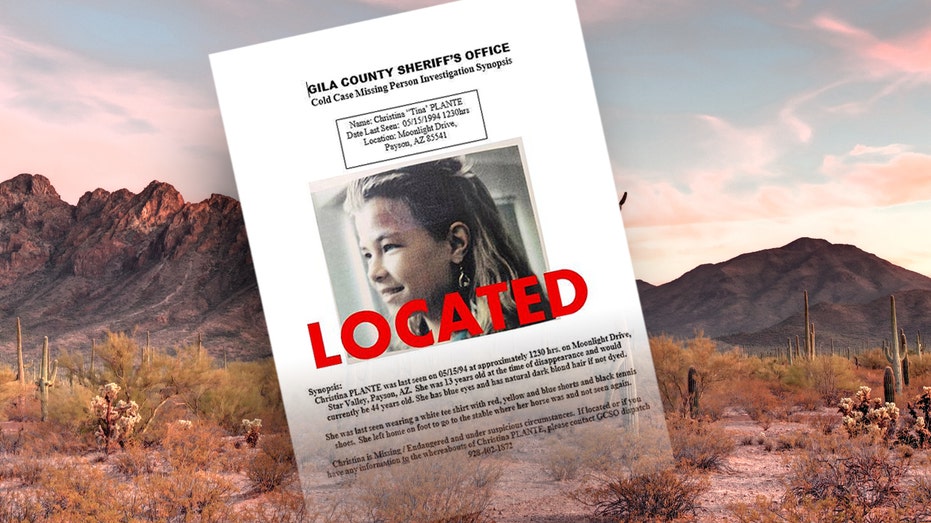
Decades-Old “Missing” Case Reframed After Woman Is Found Living on Her Own Terms
More than 30 years after a 13-year-old Arizona girl vanished and sparked fears of abduction, authorities have confirmed that Christina “Tina” Marie Plante is alive — and has spent decades building a life far from the spotlight.
Plante, now 45, is living in Springfield, Missouri, over 1,100 miles from the small Arizona community where she disappeared in 1994. According to reports, she married as a teenager, raised three sons and later earned a psychology degree from Missouri State University. Today, she works in a supervisory position for a private firm that investigates insurance fraud.
She shares a home with her husband of nearly 30 years, Shawn Hollon, a software engineering manager. By all accounts, she has constructed a stable family life — one defined not by headlines, but by work, education and raising children.
A Case Once Treated as a Crime
On May 15, 1994, Plante was last seen leaving her home in Star Valley, Arizona, telling others she was heading to a nearby stable. When she didn’t return, her disappearance was treated as suspicious, and the case was labeled “missing and endangered.” For years, many feared she had been abducted.
Law enforcement pursued leads, conducted searches and investigated the possibility of foul play. But no evidence of kidnapping ever surfaced, and the case eventually went cold — another painful chapter in the long list of missing children cases that haunt families and communities.
Only decades later did a cold case team revisit the file, relying on modern investigative tools such as public records and social media searches. That effort led them to Plante, confirming that she was alive.
Choosing Privacy After Public Assumptions
Investigators say Plante acknowledged that she ran away as a teenager. She has been reluctant to discuss the specifics of how she left Arizona, who may have helped her, or what circumstances she was navigating at the time. Authorities indicated she had contact with another family member when she departed.
One investigator admitted he was “dumbfounded” upon learning that what had long been treated as a possible criminal abduction was, in fact, a teenager leaving her home by choice.
For decades, law enforcement operated under the belief that a serious crime had taken place. The recent discovery reframes the case entirely.
Plante’s husband told reporters that she had shared her story with him before they married in 1998, but he declined to reveal details, emphasizing that the renewed public attention has been something she is still processing.
The Larger Questions
While officials consider the case closed, the story raises deeper issues about how missing youth cases are understood — and how often the voices of young people themselves go unheard. When teenagers run away, it can reflect complex family dynamics, vulnerability, or unmet needs. Yet public narratives frequently default to crime-based explanations.
Advocates for youth welfare note that runaway teens often face difficult circumstances, including instability at home, mental health struggles, or a lack of supportive resources. In the 1990s, conversations about child welfare and trauma-informed care were far less developed than they are today.
- Runaway youth are disproportionately vulnerable to exploitation and economic hardship.
- Many leave home due to conflict, abuse, or unmet emotional needs.
- Support systems for at-risk teens were significantly more limited three decades ago.
Although many details of Plante’s teenage years remain private — as she has every right to insist — what is clear is that she survived, pursued higher education, and built a family life on her own terms.
Her story is not one of criminal intrigue, but of a young person who made a dramatic decision and then quietly carved out a future for herself. After decades of speculation, the case has been resolved. What remains is a reminder that behind every “missing” headline is a human being whose full story may be far more complicated than the public ever knew.
For now, Plante appears focused on protecting her hard-won privacy — and continuing the life she’s spent decades building.