We All Matter News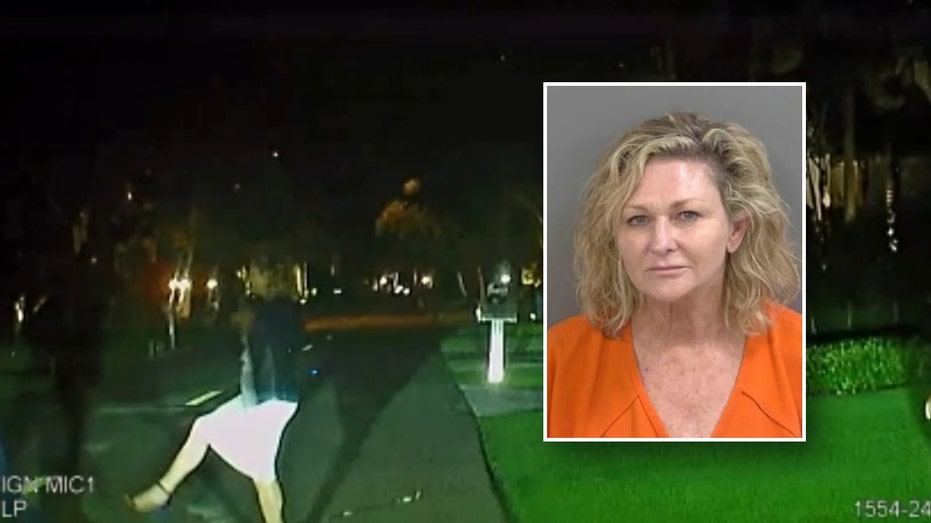
Naples Mayor Says She “Did Not Resist” Arrest Amid Disputed Probation Violation
Naples Mayor Teresa Heitmann was taken into custody Monday on a warrant alleging she violated the terms of her probation stemming from a prior DUI case. In a public statement, Heitmann emphasized that she cooperated fully with law enforcement and voluntarily turned herself in once the warrant became active.
“I did not resist. I did not hide,” she wrote. “I showed up — because that is what I have always done.”
The arrest relates to a probation agreement Heitmann entered in February after pleading no contest to a DUI charge connected to an August 28, 2024 incident. At the time of her arrest last year, breathalyzer tests reportedly showed blood-alcohol levels of 0.155 and 0.169 — both above Florida’s legal limit of 0.08. As part of her sentence, Heitmann agreed to abstain from alcohol and submit to random screenings.
Disputed Test Results at the Center of Controversy
According to Heitmann, a March 26 screening produced a result that she immediately contested. Court records cited by local media indicate authorities allege the test showed cannabinoids in her system, which would constitute a violation of probation terms.
But Heitmann and her attorney, Derek Verderamo, say the situation is far from clear-cut. She reported that two subsequent tests — a urine screening and a hair follicle analysis — both came back negative. Verderamo has argued that samples collected on March 26 and March 30 did not detect illegal cannabinoids, casting doubt on the justification for the warrant.
In her statement, Heitmann underscored that she took proactive steps rather than waiting for law enforcement to act.
“I did not wait to be asked. I acted,” she wrote.
She said that after learning an arrest could be forthcoming based on the disputed result, she attempted to voluntarily surrender on April 17. However, she was informed that officials were not yet prepared to process her. Once the warrant was officially activated, she turned herself in without incident.
Accountability and Due Process in the Public Eye
The case highlights the complex intersection of public service, personal accountability, and due process. Elected officials, like all members of the community, are expected to follow the law. At the same time, they are entitled to fair treatment and accurate testing procedures — especially when allegations hinge on scientific results that can carry life-altering consequences.
Heitmann has framed the situation as a matter of protecting her integrity and record of service. In her message to residents, she expressed determination not to let what she described as a “false story” define her leadership.
Her arrest arrives at a moment when trust in public institutions — from local governments to law enforcement and the judicial system — remains deeply contested nationwide. For many Americans, cases involving probation violations raise broader questions about consistency, transparency, and whether the justice system applies its standards equitably.
Advocates for criminal justice reform have long pointed out that probation systems can be unforgiving, with technical violations sometimes leading to severe consequences. While the details of Heitmann’s case are still unfolding, the dispute over testing underscores how critical reliable evidence and procedural fairness are in maintaining public trust.
What Comes Next
The Collier County Sheriff’s Office executed the warrant Monday, and additional court proceedings are expected as the matter moves forward. Neither the city government nor Heitmann’s attorney has publicly released further details beyond confirming the negative follow-up tests.
As this story develops, residents of Naples — and observers across Florida — will be watching not only the legal outcome but also how local institutions handle a case that blends elected leadership, personal responsibility, and the foundational democratic principle of due process under the law.