We All Matter News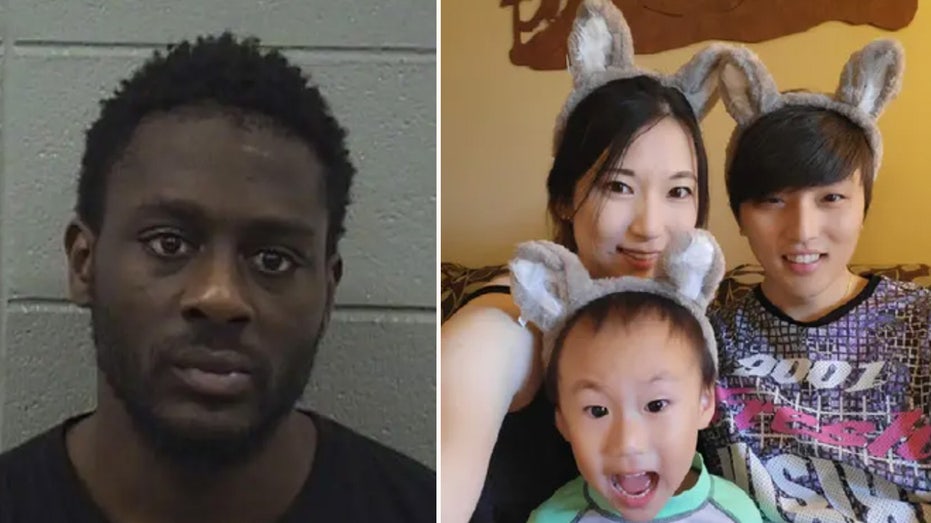
Seattle Community Reels After Court Finds Man Legally Insane in Deadly Shooting of Pregnant Woman
A King County court has found Cordell Goosby not guilty by reason of insanity in the 2023 killing of 34-year-old Eina Kwon and her unborn child — a ruling that closes one chapter of a devastating act of violence while raising urgent questions about public safety, mental health care, and gun access in America.
Goosby had been charged with first-degree murder and first-degree attempted murder in connection with the fatal shooting of Eina Kwon and the wounding of her husband, Sung Kwon. The couple had been driving to work at their Japanese restaurant, Aburiya Bento House, on the morning of June 13, 2023, when their lives were forever changed.
As they waited at a red light around 11:15 a.m., prosecutors said Goosby ran up to the driver’s side of their white Tesla and opened fire. Investigators detailed how he discharged multiple rounds into the vehicle before fleeing the scene and discarding the weapon. The attack left Eina Kwon and her unborn baby dead and her husband injured — a family shattered in seconds.
“The defendant’s actions left a family and community shattered,” prosecutors wrote in court filings.
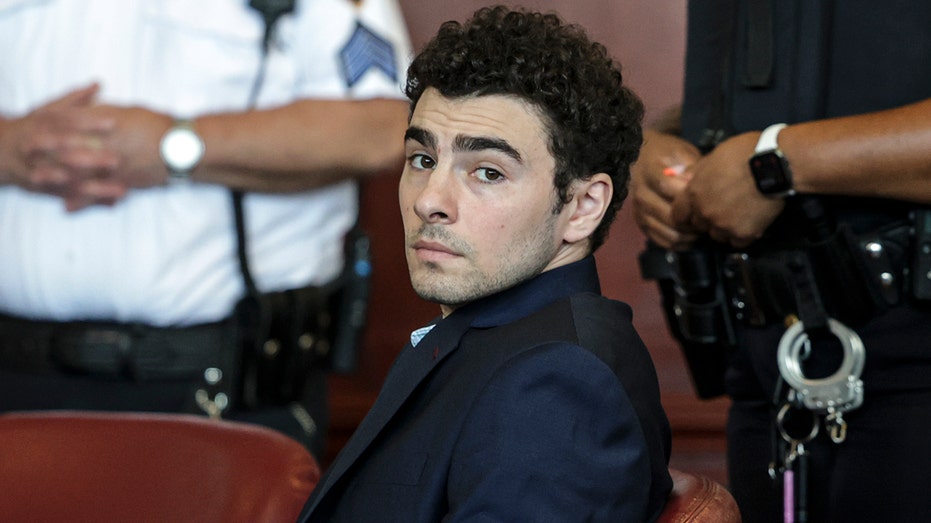
Police later located Goosby. According to court documents, he surrendered with his hands raised and told officers, “I did it! I did it!”
Seattle’s mayor at the time, Bruce Harrell, described the daylight shooting as an “unimaginable tragedy,” reflecting the grief and outrage felt across the city. The loss reverberated not only through the Kwon family but also through Seattle’s Asian American community and small business owners who saw one of their own taken in a senseless act of violence.
Mental Health and Legal Responsibility
The court’s ruling means Goosby acknowledged carrying out the shooting but was determined to have been legally insane at the time. Mental health experts for both the prosecution and defense evaluated him and agreed that he met the legal standard for insanity, paving the way for the court to accept the plea.
Under Washington law, a not-guilty-by-reason-of-insanity verdict does not result in freedom. Instead, Goosby will be committed to a state psychiatric hospital. His potential release would require approval from multiple state agencies and court authorities, a process that can span years and is subject to strict oversight.
Still, the outcome may leave many community members grappling with mixed emotions — mourning profound loss while confronting the reality of severe mental illness and a justice system designed to balance accountability with treatment.
Gun Access and System Failures
Compounding the tragedy, Goosby was prohibited from owning a firearm due to a prior criminal record in Illinois. Authorities say the gun used in the shooting had been stolen. The fact that someone legally barred from possessing a weapon was still able to obtain one underscores ongoing failures in gun control and enforcement.
- Goosby had a criminal history that disqualified him from firearm ownership.
- The weapon used in the shooting was reported stolen.
- The attack took place in broad daylight at a busy Seattle intersection.
For advocates of stronger gun laws and expanded mental health services, this case highlights the deadly consequences that can arise when systems meant to protect the public fall short. Preventing future tragedies will require more than thoughts and prayers — it demands serious investment in community-based mental health care and common-sense gun reform.
As Seattle continues to grieve Eina Kwon and her unborn child, the case stands as a stark reminder of the intersecting crises of gun violence and untreated mental illness in the United States. Justice in the courtroom cannot undo the harm inflicted, but communities are left searching for ways to ensure that no family endures such loss again.
We All Matter News — News For All Americans.