We All Matter News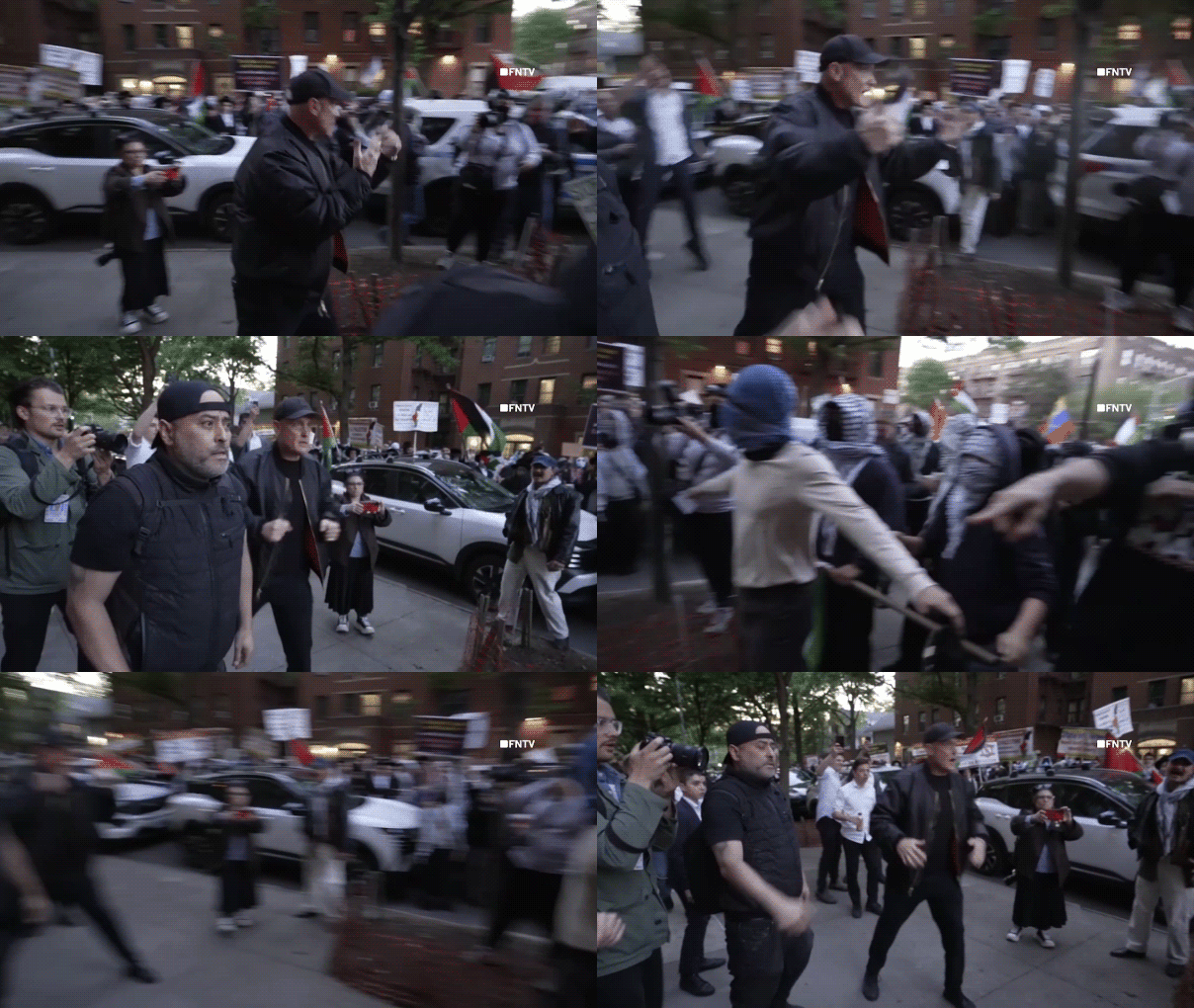
Brooklyn Protest Over Israeli Real Estate Expo Erupts in Tense Standoff Outside Synagogue
A volatile confrontation unfolded Monday evening outside the Young Israel Synagogue in Brooklyn, where demonstrators protesting an Israeli real estate expo clashed with supporters of the event, underscoring the deep tensions surrounding the Israeli-Palestinian conflict here at home.
Video from the scene shows a chaotic standoff on Ocean Avenue around 6:45 p.m., as pro-Israel attendees and keffiyeh-wearing protesters faced off on the sidewalk and in the street. The gathering was sparked by “The Great Israeli Real Estate Event,” an expo promoting property sales in Israel and settlements in the West Bank—land widely recognized by much of the international community as occupied Palestinian territory.
Protesters argued that marketing property in disputed or occupied areas amounts to profiting from displacement. Organizers connected to the Palestinian Assembly for Liberation Al-Awda of New York and New Jersey and the Palestinian Youth Movement said they were there to oppose what they view as the commodification of land taken from Palestinian communities.
“We’re here today to send a message to the city and to send a message to the organizers that these kinds of events cannot and will not stand in New York City,” organizer Taher Dahleh told local media.
Footage shows demonstrators chanting slogans including “Free Palestine” and criticizing Zionism, while some waved Palestinian flags. Counter-protesters gathered in support of Israel and the expo. At one point, a man seen standing in front of the protest crowd raised his fists and appeared to discharge pepper spray toward demonstrators.
The New York Police Department reported that four individuals were taken into custody during the unrest. In one video clip, officers are seen wrestling a protester to the ground before making an arrest. It remains unclear what specific charges, if any, those detained may face.
Protests, Policing, and the Question of Public Space
The confrontation comes just weeks after New York City’s new “Houses of Worship Law” took effect. Passed in March, the measure allows the NYPD to establish buffer zones around religious institutions during demonstrations, with the stated goal of protecting worshippers. Civil liberties advocates, however, have raised concerns about how the policy could impact First Amendment rights and the ability to protest in public spaces.
The NYPD is expected to present its full enforcement plan to Mayor Zohran Mamdani and the City Council in early June. As of Tuesday morning, neither City Hall nor the police department had issued detailed public statements about Monday’s events.
Monday’s clash follows a similar demonstration at a previous iteration of the real estate expo last week, signaling that protests are likely to continue as long as such events are held. For many Palestinian rights advocates, these gatherings represent more than business deals—they symbolize U.S.-based support for settlement expansion that human rights groups have long criticized as illegal under international law and a barrier to peace.
At the same time, Jewish community leaders have expressed alarm about rising antisemitism and say protests outside synagogues can feel threatening, particularly in a climate of heightened fear. The challenge for New York—one of the most diverse cities in the world—is to safeguard both religious freedom and the constitutional right to protest.
What unfolded on Ocean Avenue reflects a broader national reckoning. Across the country, communities are grappling with how to hold space for passionate advocacy for Palestinian human rights while also confronting antisemitism in all its forms. The path forward demands a commitment to nonviolence, equal protection under the law, and a deeper investment in dialogue rooted in justice and human dignity for all people.
As protests continue and the city refines its approach to public demonstrations near houses of worship, New Yorkers are left wrestling with urgent questions: How do we defend free speech without inflaming harm? How do we ensure community safety without silencing dissent? And how can movements for justice remain grounded in solidarity rather than division?
The answers will shape not only the streets of Brooklyn, but the moral direction of a city—and a nation—still striving to live up to its democratic ideals.