We All Matter News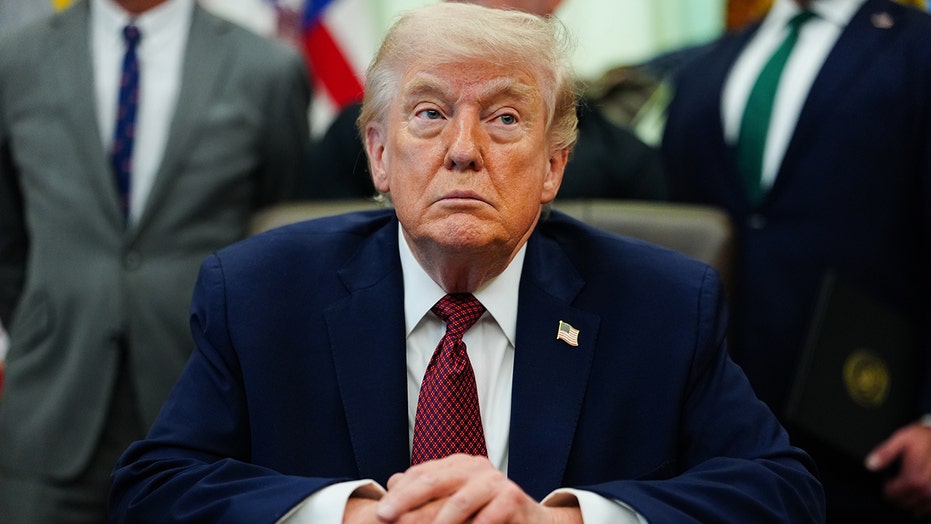
Global Tensions, Democratic Battles, and Accountability at Home
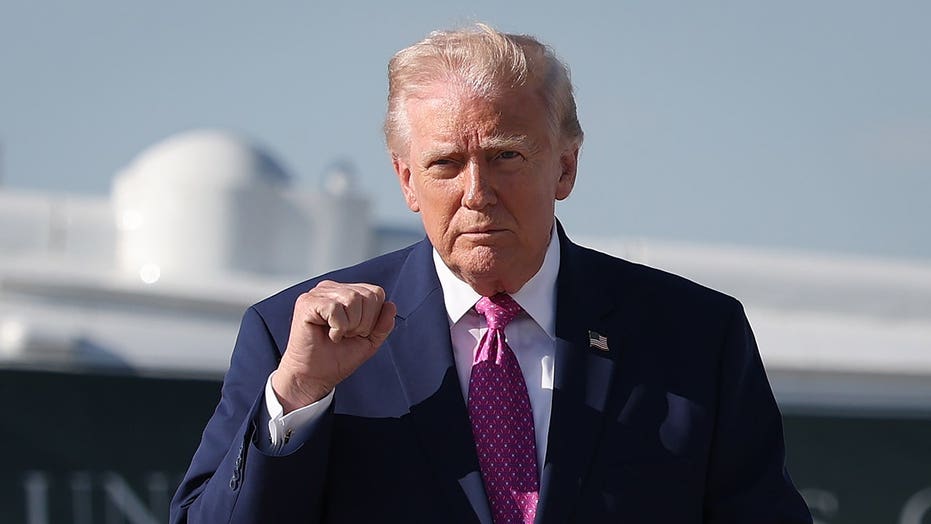
A senior Iranian official has issued a blunt warning directed at former President Donald Trump, signaling that Tehran may soon unveil what it called “new cards” in an escalating geopolitical standoff. The remarks underscore the fragile state of international diplomacy and the lasting consequences of the Trump administration’s confrontational foreign policy approach toward Iran. As tensions simmer, advocates for peace are urging renewed dialogue, cautioning that working people—both in the U.S. and abroad—bear the brunt of militarized brinkmanship.
Meanwhile, voting rights and fair representation are once again front and center in Virginia, where lawmakers are considering changes to the state’s redistricting process. While some Republicans have framed the effort as a “power grab,” voting rights advocates argue that fair maps are fundamental to a functioning democracy. At stake is who gets a real voice in Richmond—and whether communities of color and working-class voters can secure representation free from partisan distortion.
Justice and Public Safety Developments
A forensic laboratory credited with helping authorities identify a suspected serial killer in New York is now reportedly connected to the investigation into the disappearance of Nancy Guthrie. Advances in forensic science have become powerful tools in delivering long-overdue justice to victims and their families, though they also highlight the importance of transparency and oversight in the criminal legal system.
In a separate incident raising national security concerns, a Chinese student was arrested at New York’s JFK Airport after allegedly taking photographs of a highly sensitive U.S. military aircraft often referred to as the “doomsday plane.” Federal authorities are reviewing the case amid ongoing scrutiny of international espionage and the protection of military assets.
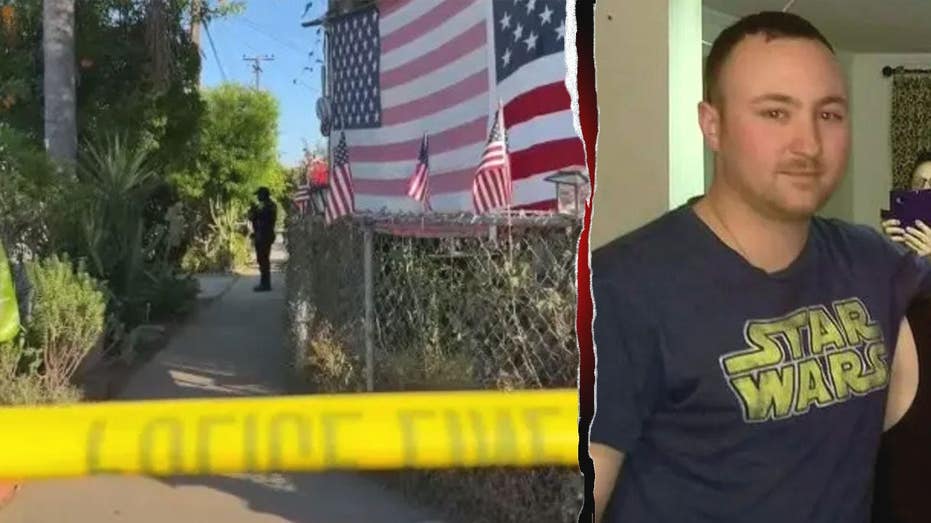
Tragedy struck in a targeted home invasion that left a mother, a pregnant teenager, and a young boy dead. Law enforcement officials say they are searching for multiple suspects and believe the attack was planned. The devastating violence has reignited urgent calls for community-based safety strategies that prioritize prevention and investment in neighborhoods.
NASA has joined other agencies in investigating the deaths or disappearances of 11 scientists, as officials examine whether patterns connect the cases. The probe comes as the scientific community pushes for stronger protections for researchers whose work is often tied to public health, climate science, and national innovation.
Abroad, a shooting at a crowded tourist destination left one person dead and several others injured. Authorities report that the motive remains unclear. The incident adds to global concerns about rising violence and the need for coordinated strategies that address both security and root causes.
Power, Politics, and the Economy
In the corporate world, Apple announced that longtime executive John Ternus will succeed Tim Cook as CEO. As one of the most influential companies in the world, Apple’s leadership transition raises fresh questions about corporate responsibility, labor practices, and environmental commitments in the tech industry.
On Capitol Hill, a high-profile Senate confirmation hearing is underway for a nominee poised to lead the world’s most powerful central bank. The position carries enormous influence over interest rates, employment, and economic stability—decisions that directly affect working families navigating inflation and wage stagnation.
Senate Republicans are also preparing a funding bill that may pass strictly along party lines, despite internal party disagreements and friction with House counterparts. The partisan maneuvering highlights ongoing gridlock in Washington, where ideological divides often overshadow the urgent economic needs of everyday Americans.
In California, the crowded gubernatorial race narrowed as another Democratic candidate exited ahead of the primary. The shake-up reflects a competitive contest over the future of the nation’s largest state, where issues like housing affordability, climate action, and worker protections dominate the political conversation.
Media, Accountability, and Civil Liberties
More than 200 journalists, including veteran broadcaster Dan Rather, are calling on the White House Correspondents’ Association to directly challenge Trump at an upcoming gala. The push signals mounting frustration among members of the press who argue that safeguarding democracy requires confronting disinformation and defending a free press without fear or favor.
Lawmakers are also revisiting a key post-9/11 surveillance law, weighing national security priorities against Americans’ constitutional right to privacy. Civil liberties groups have long warned that unchecked surveillance disproportionately harms marginalized communities and erodes trust in democratic institutions.
Health, Culture, and Ongoing Questions
A new study suggests that even some “healthy” diets may expose non-smokers to lung cancer risks, with researchers pointing to possible pesticide exposure as a contributing factor. Public health advocates emphasize the need for stronger environmental regulations and greater consumer protections in the food supply chain.
From debates over tax policy and small business impacts to tensions inside Iran’s political system, the interconnected headlines of the day reveal a common thread: power—who holds it, how it’s exercised, and who ultimately pays the price. As communities across the country confront economic uncertainty, political polarization, and global instability, the call for accountable leadership and equitable policy has never been louder.
At a time when democracy itself feels under strain, Americans are demanding solutions rooted in fairness, transparency, and justice for all—not just the privileged few.