We All Matter News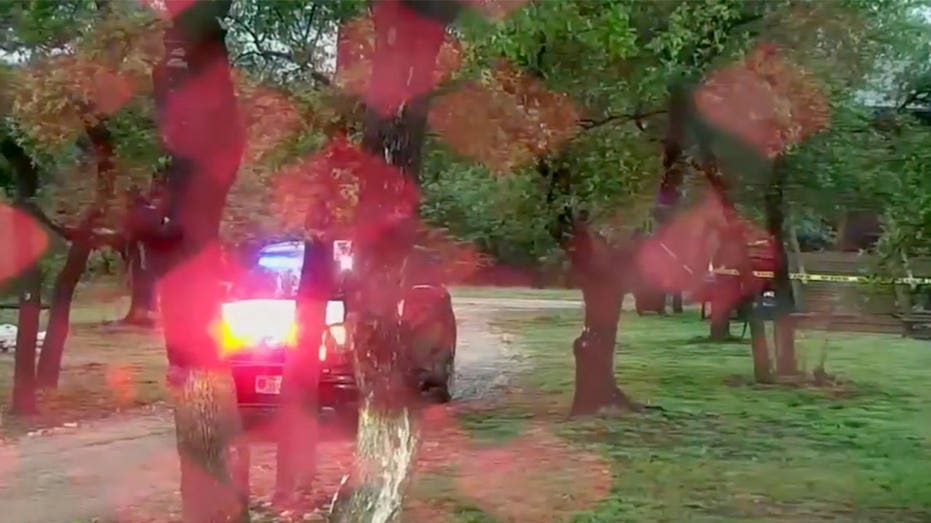
Five Lives Lost in Devastating Texas Plane Crash as Federal Investigators Search for Answers
A tight-knit Texas community is mourning after a catastrophic plane crash in Wimberley claimed the lives of five people overnight, underscoring once again the fragility of life and the urgent need for rigorous aviation safety oversight.
Emergency crews were dispatched to the 200 block of Round Rock Road after reports of a downed aircraft shattered the quiet of the night. By the time first responders arrived at the scene, the tragedy had already unfolded. Officials confirmed that all five individuals aboard the plane were killed.
The aircraft has been identified as a Cessna 421C, a twin-engine plane commonly used for private travel. According to early accounts from local authorities, the aircraft was carrying five passengers when it went down. The victims’ names have not yet been publicly released, as officials work to notify their loved ones — a painful and deliberate process meant to ensure families receive news of the loss with care and dignity.
While investigators are still piecing together what happened, preliminary findings suggest the plane was traveling at a high rate of speed before the crash. Authorities have indicated there is currently no evidence pointing to a midair collision. A separate aircraft flying in the area at the time landed safely at the New Braunfels airport without incident, suggesting the tragedy was isolated to the Cessna flight.
The National Transportation Safety Board (NTSB) has launched an investigation into the crash, working alongside other federal aviation authorities to determine the cause. These investigations are often meticulous and time-consuming, involving examination of flight data, aircraft maintenance records, pilot history, weather conditions, and any available witness accounts.
For the families impacted, however, answers cannot come soon enough.
Across the country, communities rely on strong federal oversight to keep air travel safe — whether commercial or private. While small aircraft operations differ from major airline flights, safety standards, pilot training, maintenance protocols, and regulatory accountability remain essential pillars of public protection. Aviation safety reforms in past decades have saved countless lives, but every fatal crash is a sobering reminder that vigilance must never wane.
In moments like these, grief ripples outward. First responders confront traumatic scenes. Families face unimaginable loss. Neighbors grapple with shock. The broader public is left asking pressing questions about safety, prevention, and accountability.
- What mechanical or operational factors contributed to the crash?
- Were there maintenance or equipment failures?
- Did weather or environmental conditions play a role?
- What steps can be taken to prevent a similar tragedy?
These are not abstract concerns. They reflect the public’s rightful demand for transparency and a thorough, independent investigation. The NTSB’s findings will be critical in determining whether policy changes, safety advisories, or regulatory reforms are necessary.
In the coming weeks, investigators are expected to compile evidence and issue a preliminary report. A full determination of cause could take months. Meanwhile, the Wimberley community — and families connected to those lost — must navigate grief alongside uncertainty.
Every loss of life in our aviation system demands accountability, transparency, and a renewed commitment to the safety of all who take to the skies.
As authorities continue their investigation, the focus remains where it belongs: on honoring the victims and ensuring that any lessons learned from this devastating event are used to strengthen public safety. In a nation that values human life and collective responsibility, we owe nothing less.