We All Matter News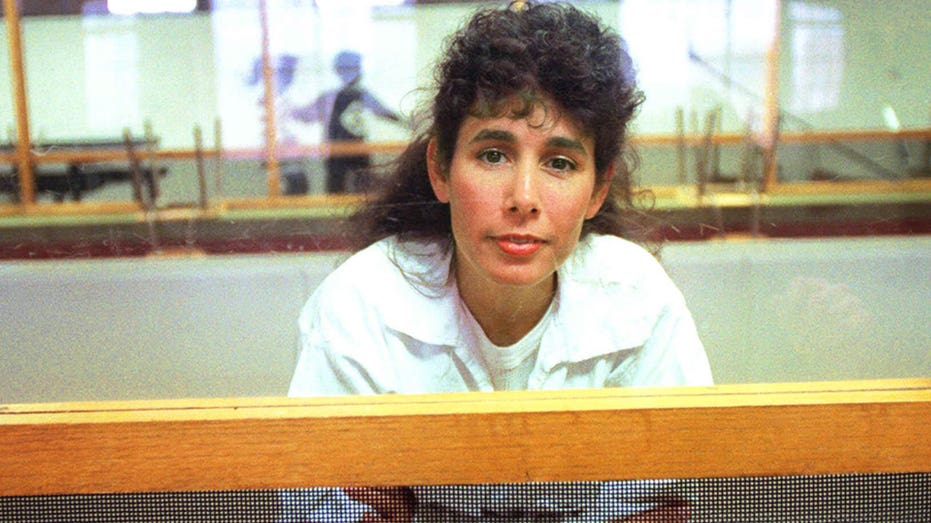
A Death Penalty Case That Still Divides the Nation
Karla Faye Tucker’s name remains etched into the history of America’s death penalty — not only for the brutal 1983 killings she committed, but for the fierce national debate over whether the state should ever take a life in response.
Tucker and her then-boyfriend, Daniel Ryan Garrett, broke into a Houston apartment with the intent to steal motorcycle parts. Inside, they murdered Jerry Lynn Dean, 27, and Deborah Thornton, 32. Tucker later admitted her role in the killings, which were carried out with a pickax. She was convicted of capital murder and sent to Texas’ death row. In 1998, at age 38, she was executed — the first woman put to death in Texas since the Civil War.
A Disturbing Detail and Public Outrage
Retired FBI agent and criminal profiler Candice DeLong recently revisited Tucker’s case on her podcast, reflecting on what she described as one of the most unsettling aspects of the crime. After her arrest, Tucker reportedly told investigators she experienced sexual arousal during the attack — a claim she later appeared to walk back. For many, that statement intensified the horror and fueled public anger.
When communities are confronted not only with violence but with the suggestion of pleasure taken in that violence, the reaction is visceral and unforgiving.
DeLong has argued that this detail cemented Tucker’s fate in the eyes of much of the public. In a society already grappling with fear of violent crime, the idea that someone could commit such acts — and describe them in that way — became, for some, justification for the harshest punishment available.
Childhood Trauma and the Failures of a Broken System
But Tucker’s life story also forces harder questions about neglect, addiction, and how society repeatedly fails vulnerable children long before they end up in a courtroom.
She grew up amid instability and substance abuse. Her mother struggled with drug addiction and survived through sex work. Tucker herself began using drugs at a young age. By the time of the murders, she had been battling addiction for years. Experts have long documented the impact of early exposure to drugs and alcohol on adolescent brain development, particularly when paired with trauma and neglect.
None of this excuses violence. But it does underscore a reality progressives have long argued: when children are left without stability, healthcare, or protection, the consequences can echo for generations. Tucker’s trajectory reflects systemic breakdowns — in social services, in addiction treatment, in mental health care — that too often go unaddressed until tragedy strikes.
Faith, Redemption, and a National Reckoning
While incarcerated, Tucker became a born-again Christian. She spoke publicly about her faith and expressed remorse. Religious leaders, public figures, and advocates across political lines called for clemency, arguing she had demonstrated genuine transformation. Supporters pointed to her conduct in prison as evidence of rehabilitation and insisted that a justice system worthy of its name must make room for redemption.
Critics remained skeptical. DeLong has expressed doubts about the sincerity of jailhouse conversions, noting that many incarcerated people find religion behind bars. She maintains that Tucker posed a serious danger and belonged in a secure facility.
Yet even among those who believed Tucker should remain imprisoned for life, there was disagreement about whether execution was necessary — or moral.
The Death Penalty Debate Endures
Tucker’s execution came despite widespread appeals for mercy. Garrett, her co-defendant, also received a death sentence but died in prison in 1993 from complications related to hepatitis.
Her case became a flashpoint in the national debate over capital punishment, raising profound questions:
- Can people who commit horrific crimes truly change?
- Does the state’s use of execution serve justice — or simply mirror violence with more violence?
- What responsibility does society bear when cycles of abuse and addiction go unaddressed?
For many progressives, the death penalty represents a system more focused on retribution than restoration — one that disproportionately harms marginalized communities and leaves no space for redemption.
Karla Faye Tucker’s crimes were brutal and devastating. The lives of Jerry Lynn Dean and Deborah Thornton were stolen in an act of unimaginable violence. Nothing can undo that harm. But decades later, the questions surrounding Tucker’s execution continue to challenge Americans to examine what justice truly means — and whether a democracy committed to human dignity can justify putting people to death in its name.
Her story endures as a stark reminder: accountability matters. So do prevention, compassion, and the moral line we draw as a society when confronting even our darkest crimes.