We All Matter News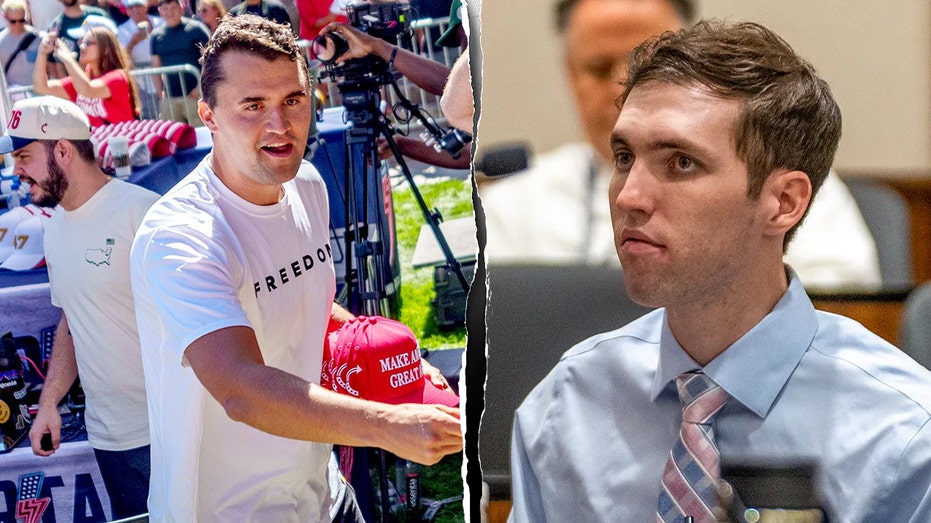
Court Upholds Transparency While Granting Defense More Time in High-Stakes Kirk Assassination Case
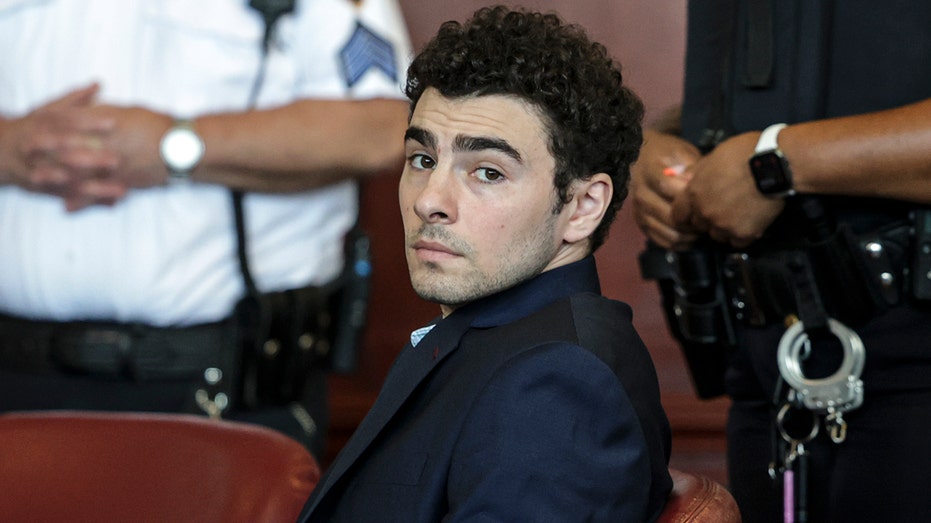
A Utah judge has granted a delay in the preliminary hearing for Tyler Robinson, the man accused of assassinating Turning Point USA founder Charlie Kirk, while rejecting an effort to shut cameras out of the courtroom — a decision that underscores the tension between fair trial rights and the public’s right to witness justice in action.
Judge Tony Graf Jr. rescheduled the preliminary hearing for July 6 through July 10, citing the enormous and still-growing volume of evidence in the case. Both prosecutors and defense attorneys acknowledged that thousands of additional files have recently been exchanged, including materials gathered from federal agencies. Robinson’s legal team indicated they had just received another set of roughly 1,600 files on top of hundreds of thousands already disclosed.
In granting the delay, Graf emphasized that the Constitution requires courts to ensure defendants have meaningful access to legal representation. He said Robinson’s attorneys must be given adequate time to examine complex forensic evidence and prepare an effective defense — a cornerstone of due process in any functioning democracy.
At the same time, the judge recognized the legitimate interest of Kirk’s family and the broader community in seeing the case move forward without unnecessary postponement. Balancing those competing concerns, Graf determined that a limited continuance — rather than the six-month delay sought by the defense — struck the appropriate balance.
Debate Over Cameras Reflects Broader Questions About Media and Justice
Perhaps the most closely watched issue was whether cameras should be barred from the courtroom. Robinson’s attorneys argued that intense media coverage has already shaped public opinion. They pointed to survey data suggesting that nearly all respondents in Utah County had heard about the case, with a significant portion believing Robinson was guilty based on news reports.
Defense experts warned that livestreamed hearings and round-the-clock commentary could entrench bias, making it harder to seat an impartial jury. They characterized some coverage as sensationalized and cautioned that trial by media threatens the presumption of innocence.
But Judge Graf declined to impose a sweeping ban. He noted that Utah law requires courts to evaluate media access on a case-by-case basis rather than relying on generalized fears about publicity. He also observed that only a fraction of the public watches live proceedings directly, while most people encounter news through commentary and social media — channels that would not be meaningfully curtailed by removing courtroom cameras.
Existing safeguards, the judge said, already protect courtroom integrity, including strict rules governing camera placement, attorney statements, and courtroom decorum.
Prosecutors have argued that transparent proceedings serve the public interest, particularly in a politically charged case that has generated online conspiracy theories and misinformation.
Deputy Utah County Attorney Chad Grunander previously told the court that openness helps counter false narratives and strengthens public trust in the justice system. In a climate where viral speculation can outpace verified facts, prosecutors contend that access to real-time court proceedings serves democratic accountability.
Death Penalty Eligibility Raises Stakes
Robinson faces multiple charges, including aggravated murder, for the September 10, 2025 killing. The charges make him eligible for the death penalty, dramatically increasing the stakes of every procedural decision made before trial.
Some legal analysts suggest the defense’s motions — including efforts to limit cameras and challenge aspects of the prosecution — may be part of a longer-term appellate strategy. By raising constitutional concerns now, Robinson’s attorneys could preserve issues for potential appeals should he be convicted and sentenced to death.
- Preliminary hearing scheduled: July 6–10
- Next court appearance: May 19
- Charges include aggravated murder
- Case is death-penalty eligible
The case continues to draw national attention, reflecting deep political divides and broader concerns about violence in American public life. As proceedings move forward, the court’s twin commitments — to due process and to transparency — will remain under close scrutiny.
For now, cameras will stay in the courtroom, and the evidentiary record will continue to grow, as both sides prepare for a July hearing that will determine whether prosecutors have established probable cause to bring the case to trial.