We All Matter News
Federal Charges Filed After Online Bomb Tutorials Allegedly Linked to Deadly New Orleans Attack
A Missouri man is facing serious federal charges after authorities say he transformed social media into a dangerous training ground for explosives — content that investigators allege was later used by the perpetrator of the deadly New Year’s Day attack in New Orleans.
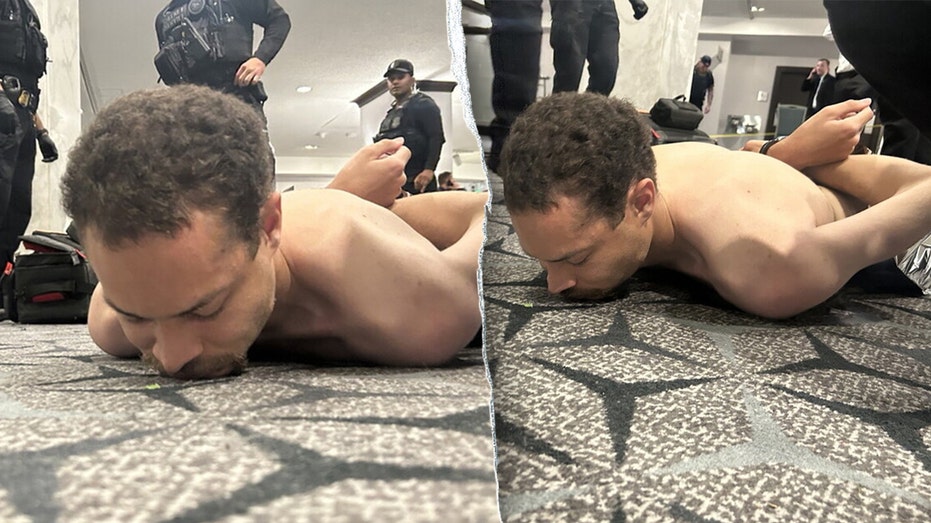
Jordan Derrick, 40, of Sweet Springs, Missouri, was arrested Tuesday by the FBI. Federal prosecutors accuse him of uploading detailed, step-by-step videos showing viewers how to manufacture explosives, detonators, and improvised explosive devices using volatile chemical compounds typically associated with military weaponry.
According to a newly unsealed criminal complaint, Derrick allegedly spent months posting graphic instructional material beginning in September 2023. Investigators say the videos outlined how to create substances such as TNT, PETN, and RDX, as well as other highly dangerous explosive mixtures. The complaint describes the content as effectively serving as an open-access “how-to” manual for homemade bomb-making.
Prosecutors allege Derrick demonstrated how to construct detonators and explosive compounds including:
- Nickel aminoguanidine perchlorate
- Ethylene glycol dinitrate
- HMTD
- Hexamine dinitrate
- Ammonium nitrate-based mixtures
Federal authorities say the videos eventually reached Shamsud-Din Jabbar, the ISIS-inspired extremist responsible for the January 1, 2025 massacre on Bourbon Street. Investigators allege Jabbar downloaded Derrick’s publicly available tutorials and used them to construct improvised explosive devices consistent with the methods demonstrated online.
Jabbar killed 14 people and injured dozens more after driving a rented pickup truck into crowded New Year’s celebrations in the French Quarter. He later fired on police officers before being shot and killed. Authorities discovered additional explosive devices near Bourbon Street that failed to detonate. Bomb squads safely neutralized them — a development prosecutors say likely prevented even greater loss of life.
The FBI has previously stated that Jabbar became increasingly radicalized online throughout 2024, consuming ISIS propaganda and researching prior vehicle-based terror attacks as well as heavily attended events in New Orleans. In the weeks before the massacre, investigators say he traveled from Houston to New Orleans, scouted the French Quarter, examined balcony access points, and used smart glasses to discreetly record video footage while cycling through crowded streets.
Hours before launching the attack, Jabbar reportedly reviewed details of a deadly Christmas market assault in Germany.
Online Platforms Under Scrutiny
Beyond the New Orleans tragedy, federal authorities now believe Derrick’s alleged online activity may have had broader consequences.
Investigators say they have linked his bomb-making tutorials to a separate explosion at a residence in Odessa, Missouri, on May 4. According to the criminal complaint, authorities responding to that blast found suspected explosive components inside the home. The homeowner allegedly told investigators he learned how to manufacture explosive devices by watching tutorial videos associated with Derrick’s social media accounts. That incident remains under investigation.
The case underscores growing concerns about the role of unregulated digital platforms in disseminating dangerous information — and how extremist movements exploit online ecosystems to radicalize individuals and amplify violence. As policymakers debate platform accountability and public safety safeguards, tragedies like the Bourbon Street attack spotlight the deadly consequences when online extremism intersects with real-world harm.
Charges and Potential Penalties
Derrick has been charged with manufacturing explosive materials without a license, unlawful possession of an unregistered destructive device, and distributing information related to the manufacture of explosives.
If convicted, he faces up to 20 years in federal prison for distributing explosives-related information, along with additional charges carrying potential sentences of up to 10 years each. Because federal sentences do not include parole, the total prison time could be substantial.
The investigation is being led by the FBI in coordination with federal prosecutors and the Justice Department’s National Security Division. Derrick has not yet entered a plea.
For communities still grieving the victims of the Bourbon Street massacre, the case raises urgent questions about public safety, corporate responsibility in the digital age, and the collective work needed to prevent radicalization before it turns into irreversible tragedy.
When online hate and unregulated extremism collide with real-world weapons, it is working families and everyday people who pay the price.