We All Matter News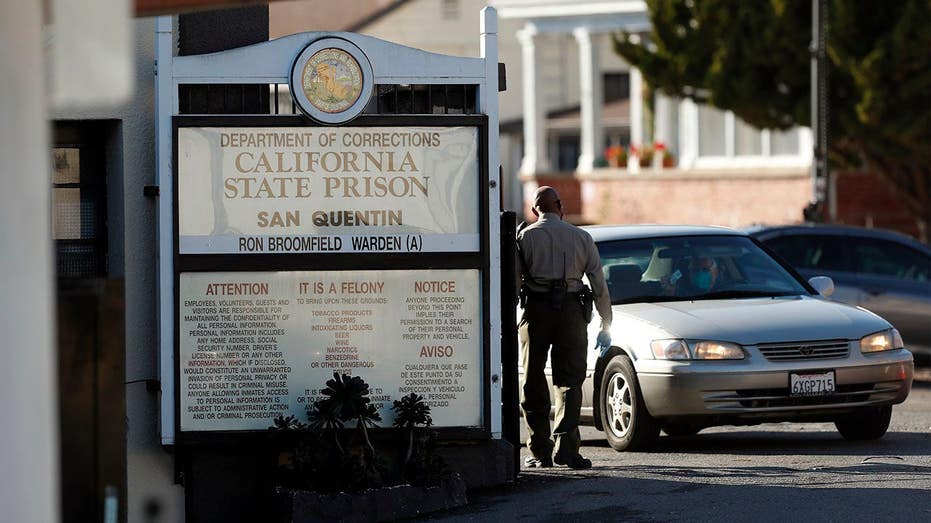
Questions Emerge Over Prison Tablet Program as California Expands Rehabilitation Efforts
California’s ongoing effort to transform its prison system around rehabilitation rather than punishment is facing scrutiny after reports that some death row inmates have misused state-issued tablets to access sexually explicit material and engage in inappropriate communications.
The state has distributed roughly 90,000 tablets to incarcerated people as part of a multimillion-dollar initiative designed to reduce isolation, strengthen family ties, and expand access to educational and reentry resources. The push is rooted in a broader commitment to digital equity and to preparing people behind bars for a safer return to their communities.
But interviews cited in recent reporting suggest that a small number of inmates have found ways to circumvent security controls, allegedly using messaging and video call functions to view pornography or exchange explicit content.
Allegations of Abuse Raise Safety Concerns
According to the report, certain death row prisoners described accessing explicit material through video calls with people outside prison walls. One incarcerated person claimed that outside contacts could display pornographic videos during video chats. Others alleged that sexually explicit images were exchanged through third parties.
Prosecutors have separately accused one incarcerated individual of using prison communications to threaten and exploit a minor he previously abused, underscoring fears that inadequate oversight could endanger victims.
Critics argue these incidents reveal potential loopholes in monitoring systems. Douglas Eckenrod, a former deputy director of adult parole operations, warned that reforms aimed at expanding communication must not inadvertently create new pathways for harm.
“There are going to be victims that didn’t need to have been victims because of these decisions,” he said in response to the allegations.
Rehabilitation or Revenue Stream?
While the tablets themselves are provided at no upfront cost to incarcerated individuals, communication services are not free. According to the California Department of Corrections and Rehabilitation (CDCR), text messages cost 5 cents each and video calls cost 16 cents per minute.
California recently entered into a contract with Securus Technologies that could cost up to $315 million with extensions; the base agreement totals $189 million over six years. The company’s rates are reportedly lower than those charged by a previous vendor.
Still, critics within and outside prison walls point to what they see as high fees for incarcerated families — many of whom are low-income and disproportionately Black and Brown. Some incarcerated people have reported discrepancies between advertised and actual messaging costs. Others have raised concerns about entertainment pricing, noting that streaming newly released films can cost nearly $9 for a 48-hour rental.
State Sen. Josh Becker, a Democrat, has called for eliminating messaging fees altogether, arguing that charging families to stay connected is both unfair and counterproductive.
“It’s the injustice of the whole thing,” Becker said, noting that telecommunications costs in the broader economy are steadily declining.
The “California Model” and a Shift Away From Punishment
The tablet program is part of the state’s broader “California Model,” inspired in part by Norway’s rehabilitation-focused prison system. The initiative aims to reduce recidivism, promote staff wellness, and create meaningful educational and job pathways for people preparing to reenter society.
Supporters argue that access to educational tools, religious materials, family communication, and reentry programs strengthens public safety by lowering the likelihood that individuals will return to prison. CDCR officials have firmly rejected claims that tablets provide open internet access, calling them secure and closely monitored devices intended to curb contraband and improve rehabilitation outcomes.
Victim advocacy officials within the department have also defended reform efforts, saying many survivors see value in programs that create the possibility of genuine change — even when the damage from past crimes cannot be undone.
The controversy arrives against the backdrop of Gov. Gavin Newsom’s 2019 moratorium on the death penalty, which halted executions and closed the execution chamber at San Quentin. California’s overall direction signals a departure from decades of “tough on crime” policies that filled prisons without delivering the public safety they promised.
At the heart of the debate is a complex question: How can the state balance accountability, survivor safety, fiscal responsibility, and a commitment to rehabilitation? Ensuring that communication tools are secure — while also protecting families from exploitative fees — will be essential if California hopes to prove that a more humane justice system can also be a safer one.