We All Matter News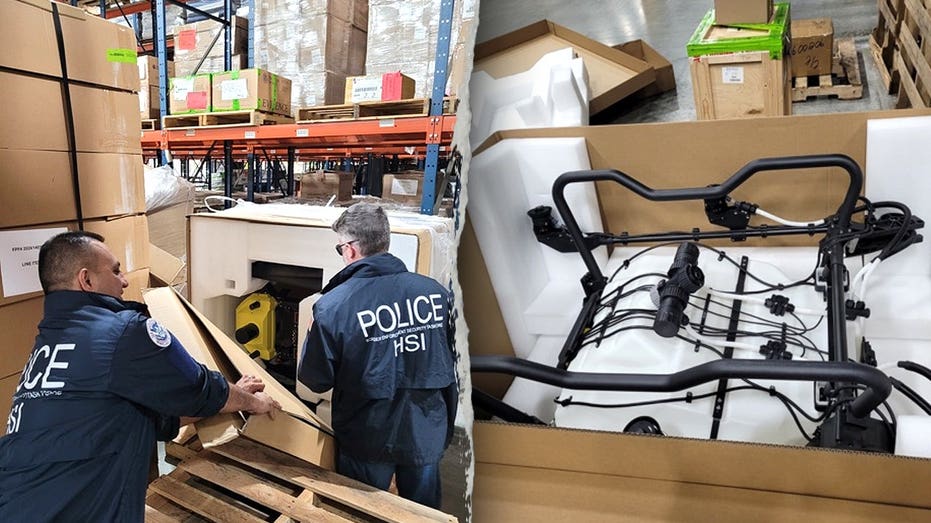
Federal Agents Recover Stolen Industrial Drones Amid Fears of Public Safety Threat
Federal authorities have recovered 15 industrial-grade drones capable of spraying large volumes of liquid chemicals, more than a month after they were stolen from a logistics company in Harrison, New Jersey. The case has raised serious questions about corporate supply chain security, public safety safeguards, and the broader risks posed by rapidly expanding drone technology in civilian spaces.
The drones — Ceres Air C31 agricultural spray models — were taken on March 24 from CAC International, a warehouse and shipping operation. According to law enforcement officials, the $870,000 worth of equipment was located on April 27 at a trucking company warehouse in Dover, New Jersey. Homeland Security Investigations and Customs and Border Protection are assisting the New Jersey State Police Cargo Theft Unit in what remains an active investigation.
A High-Tech Heist
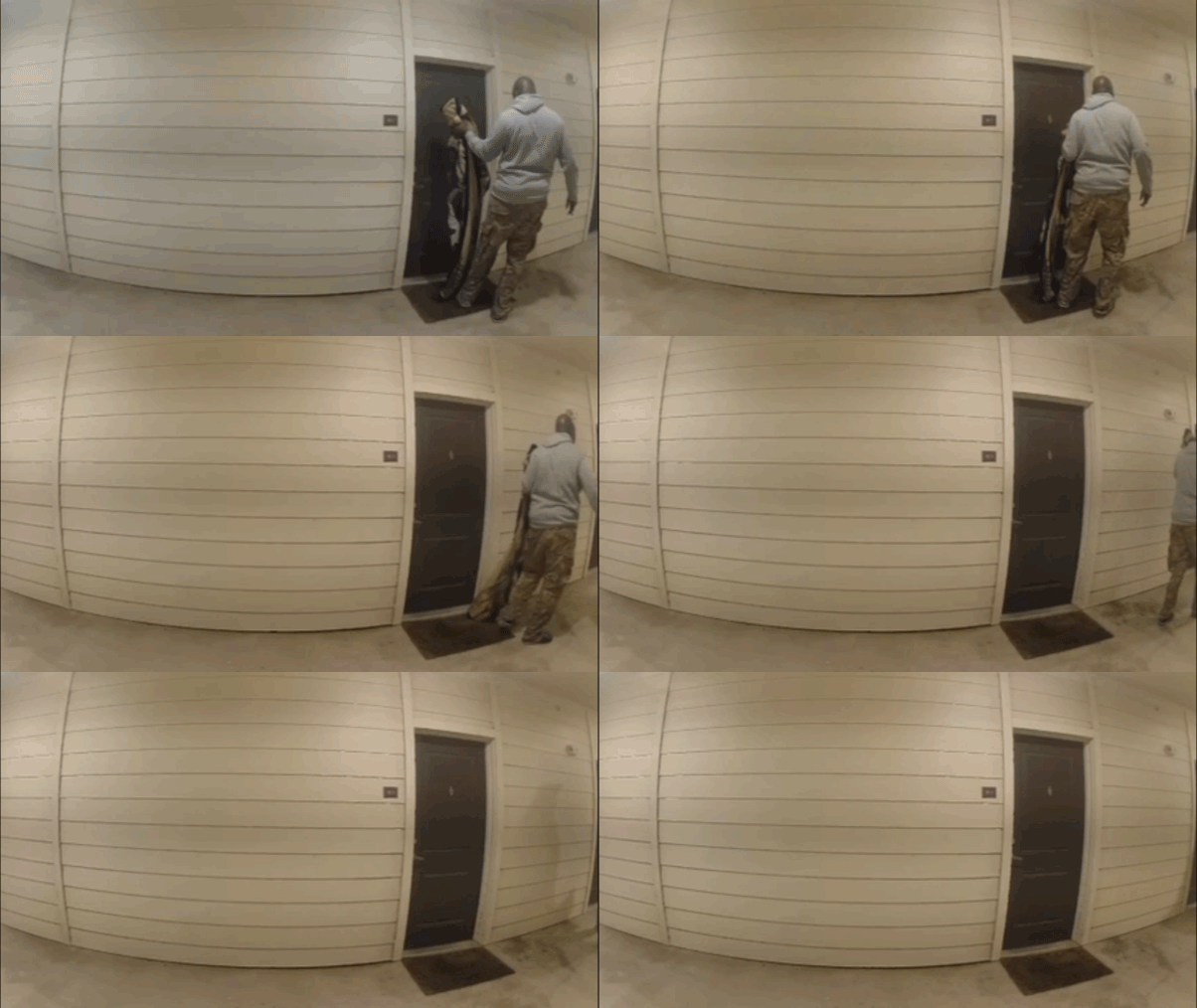
Reports indicate that the theft may have been carried out using fraudulent shipping paperwork. A delivery driver allegedly presented falsified documents and removed the drones under the guise of a legitimate transport order — exposing how easily bad actors can exploit gaps in oversight within the freight and logistics industry.
Each of the stolen drones carries a price tag of roughly $58,000. More concerning than their value, however, is their capacity: the C31 models are designed to hold and spray up to 40 gallons of liquid chemicals with speed and precision. While marketed for agricultural use, experts warn that the same capabilities that make them efficient crop dusters could be dangerous in the wrong hands.
Weaponization Concerns
Public safety specialists and federal agencies have long cautioned that commercially available unmanned aircraft systems could be repurposed for harm. A 2020 U.S. Army report noted that chemical-spraying drones are widely accessible and could potentially be adapted to disperse toxic or biological agents.
“These aren’t hobby drones,” one former federal agent warned. “They’re industrial sprayers built to carry and distribute significant quantities of liquid. Even everyday chemicals can become dangerous if deliberately misused.”
Security experts have also flagged the troubling reality that detailed instructions for building chemical or biological weapons circulate online, making technological safeguards all the more critical. The temporary disappearance of nearly a dozen and a half high-capacity sprayer drones sparked fears of what one expert described as a “nightmare scenario.”
Corporate Accountability and Built-In Controls
Ceres Air, the manufacturer, maintains that its systems include multiple layers of security. In a statement, the company said the drones feature secure activation protocols, remote locking capabilities, and battery systems designed to prevent unauthorized operation.
According to the manufacturer, the drones are fully traceable through serial tracking and domestic support networks. Company officials argue that their decision to build and manage systems within the United States enabled swift recovery and prevented misuse.
“Without proper authorization, these units cannot be operated,” the company said, emphasizing that the technology includes built-in protections against rogue deployment.
Broader Questions About Regulation and Safety
While authorities say the recovered drones posed no immediate operational threat due to these safeguards, the theft highlights a broader issue: powerful technologies with dual-use capabilities are increasingly accessible on the commercial market, often with limited regulatory oversight.
As drone usage expands across agriculture, infrastructure, and delivery services, so too must democratic accountability. Worker training, supply chain transparency, and rigorous federal safety standards are essential to ensure that tools designed to support farmers and communities do not become instruments of harm.
The case serves as a reminder that public safety demands proactive investment — not only in law enforcement response after a theft occurs, but in preventative measures that close loopholes before they can be exploited. Protecting communities requires diligence from corporations, regulators, and policymakers alike.
For now, officials say the drones are secure and the investigation continues. But the incident has underscored a pressing reality of the modern age: technology built to serve the public good must be matched with robust protections to keep it that way.