We All Matter News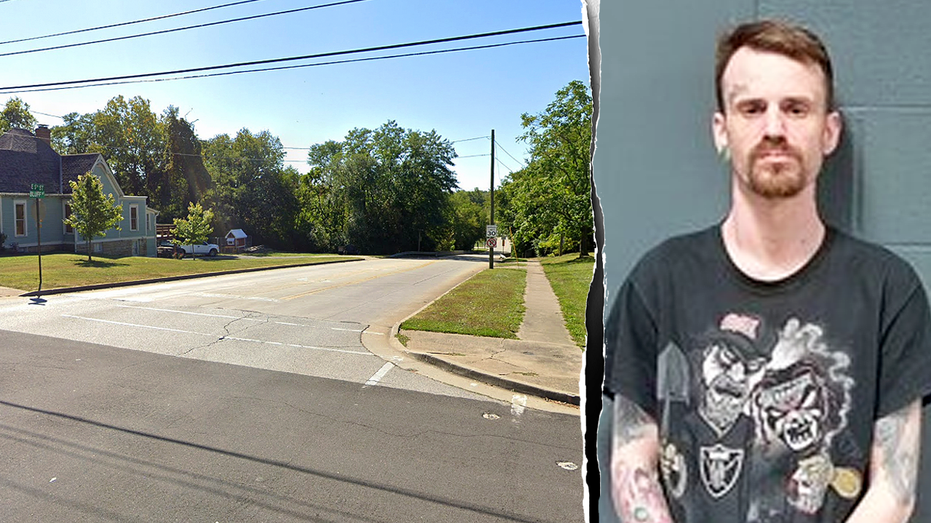
Delivery Dispute Turns Violent in Missouri, Raising Questions About Worker Exploitation and Public Safety
A Missouri community is reeling after police say a Domino’s delivery driver allegedly used his car to strike a customer during a confrontation over a tip — a shocking escalation that underscores the volatile realities facing both low-wage workers and consumers in America’s tipping economy.
Zachary Nicholus Walton, 36, was arrested April 29 in Fulton, Missouri. He is facing multiple felony charges, including first-degree assault, armed criminal action, and leaving the scene of an accident. Jail records indicate he is being held without bond as the case moves forward.
According to a probable cause affidavit, officers were dispatched around 7:21 p.m. to a home following reports of a crash involving injuries. What began as a routine food delivery allegedly spiraled into violence after Walton became upset about not receiving a tip.
The alleged victim and a witness told police that Walton grew angry during the exchange, leading to a heated argument. Investigators say surveillance footage shows Walton initiating the confrontation, yelling profanities and insulting the customer and witness. At one point, he allegedly shouted taunts before walking back to his vehicle.
Authorities report that the situation escalated dramatically from there.
After getting into his car and reversing toward the street, Walton was nearly fully in the roadway, according to the affidavit. The victim was walking in the driveway and was not obstructing his exit. Police allege that Walton then shifted into drive and deliberately accelerated forward, striking the victim with the vehicle.
The impact reportedly forced the victim onto another vehicle to avoid further injury. Officers observed visible injuries to the person’s hand, and the victim reported additional pain and possible scrapes to the shin.
Instead of stopping to assist or report the incident, Walton allegedly sped away. Officers later located him at a local Domino’s location. According to court documents, Walton admitted to driving toward the victim but claimed his intention was only to frighten him.
Prosecutors are also weighing Walton’s prior criminal history. Court records show he has a previous conviction in Callaway County for domestic assault and false imprisonment, for which he served jail time.
A System Built on Tipping Tensions
While the criminal charges focus squarely on Walton’s alleged actions, the disturbing episode also highlights broader systemic issues. Delivery drivers and other service workers often depend heavily on tips to make ends meet — a reality shaped by corporations that shift labor costs onto customers while keeping wages low.
The United States’ entrenched tipping culture can generate intense pressure and resentment on all sides. Workers struggle with unpredictable income while customers navigate social expectations that are often poorly defined and inconsistently applied. When corporations rely on gratuities to subsidize wages, they leave both workers and customers vulnerable to confrontation.
This case, however, goes far beyond economic frustration. Law enforcement officials say Walton’s alleged decision to use a vehicle as a weapon and flee the scene demonstrates a serious disregard for human life and community safety.
Police allege the suspect’s actions posed a clear threat not only to the victim but to others in the area.
No workplace grievance — real or perceived — justifies violence. For communities already grappling with economic strain and social division, incidents like this add another layer of fear and instability.
Domino’s has not publicly commented on the incident.
As this case moves through the courts, it serves as a stark reminder of the urgent need for fair wages, de-escalation practices, and corporate accountability. Workers deserve stable pay and dignity on the job — and communities deserve safety and respect. When a simple pizza delivery turns into an alleged felony assault, it exposes cracks in a system that too often prioritizes profits over people.