We All Matter News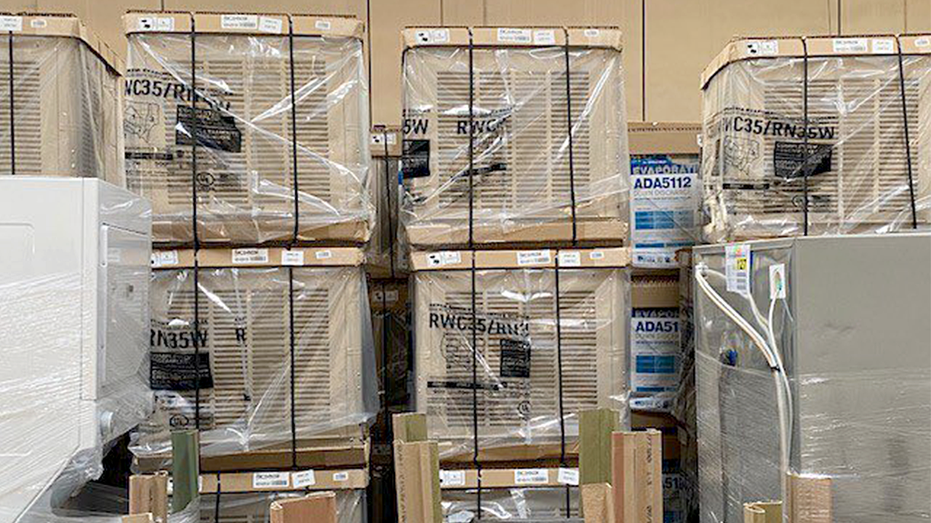
Major Cargo Theft Bust Exposes Corporate Supply Chain Vulnerabilities in Southern California
Authorities in Southern California have arrested nine individuals following a sweeping investigation that uncovered an estimated $7 million worth of allegedly stolen goods and roughly $1 million in cash. The arrests come after law enforcement executed 13 search warrants between December and February across Los Angeles, Riverside, and San Bernardino counties.
The Los Angeles County Sheriff’s Department said the coordinated operation was the result of a multi-agency investigation focused on organized cargo theft operations. While officials have not publicly released the names of those arrested, they confirmed that the investigation remains ongoing.
The scale of the seizure underscores the massive flow of consumer goods through California’s logistics corridors—goods that fuel corporate profits but often rely on underpaid warehouse workers, truck drivers, and retail employees to move them from ports to store shelves. Detectives reported recovering a wide array of merchandise, illustrating how deeply integrated and complex modern supply chains have become.
Millions in Recovered Merchandise
According to authorities, the recovered items included:
- Televisions, printers, and sound systems
- Kitchen appliances and air conditioning units
- Ring cameras and electronics
- Tools, pool equipment, and golf carts
- ATVs and other recreational vehicles
- Clothing, shoes, cosmetics, and plush toys
- Energy drinks and liquor
Officials say 36 companies were impacted by the alleged thefts, including major corporations such as Amazon, Sony, LG, Costco, Disney, and national discount chains. Large logistics firms and distributors were also reportedly targeted.
The suspects are facing charges that include grand theft cargo, money laundering, and receiving stolen property. Prosecutors will ultimately determine how the case proceeds through the court system.
A Broader Look at Organized Cargo Theft
Cargo theft has increasingly become a national issue, straining supply chains and driving up costs that are often passed along to consumers. California, home to some of the busiest ports in the country, plays a critical role in moving goods across the United States. When theft disrupts this infrastructure, it affects not just corporations but workers and families who depend on stable distribution networks.
At the same time, advocates point out that economic inequality, exploitative labor conditions, and the rising cost of living create pressures that can fuel underground economies. California’s warehouse and transportation sectors are powered by workers who frequently report long hours, unsafe conditions, and wages that struggle to keep up with soaring housing costs.
As policymakers examine crimes tied to retail and cargo supply chains, many community leaders are calling for solutions that go beyond enforcement—focusing instead on economic stability, fair wages, and stronger labor protections to prevent desperation from turning into criminal activity.
The Los Angeles County Sheriff’s Department established an Organized Retail Crimes Task Force in 2023 to respond to the growing problem. Officials are encouraging anyone with information related to cargo theft to come forward.
While corporate losses may dominate headlines, the broader story reflects deeper questions about economic fairness, accountability, and how we build a system that works for everyone—not just multinational retailers, but the workers and communities who keep America’s supply chains moving.