We All Matter News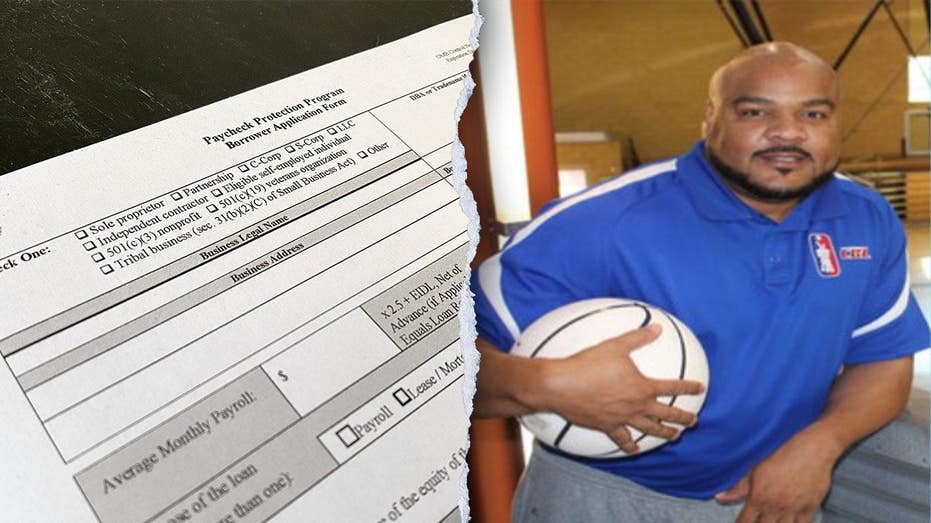
Pandemic Relief Meant for Workers and Small Businesses Diverted in $1 Million Fraud Case
A man who claimed to operate an amateur basketball league has admitted to stealing more than $1 million from a federal pandemic relief program designed to keep small businesses afloat and workers employed during one of the darkest chapters in recent history.
Jamar Johnson, a U.S. citizen, pleaded guilty Monday to fraudulently obtaining $1,047,824 through the Small Business Administration’s Paycheck Protection Program (PPP), according to the Department of Homeland Security. The PPP was created at the height of the COVID-19 crisis to prevent mass layoffs and economic collapse, offering a lifeline to neighborhood shops, restaurants, and community-based organizations struggling to survive.
Instead of using the funds to support jobs or community programs, prosecutors say Johnson diverted the money for personal use. After submitting an application in 2020 claiming to operate an amateur basketball league, Johnson allegedly funneled the cash into cryptocurrency purchases and transferred funds overseas in an effort to hide the proceeds.
“Exploiting a crisis relief program for personal enrichment undermines public trust and harms the communities these funds were meant to protect,” a DHS official said in a statement addressing the guilty plea.
The PPP was one of the largest emergency economic interventions in modern U.S. history. It was intended to stabilize working families and ensure small businesses could keep employees on payroll while the virus shuttered storefronts nationwide. Fraud not only drains taxpayer dollars — it directly robs honest small business owners and workers of urgently needed support.
When relief funds are stolen, the consequences ripple outward:
- Small businesses may be forced to close permanently.
- Workers can lose jobs and health insurance during times of crisis.
- Public confidence in essential safety-net programs erodes.
Homeland Security Investigations, the investigative arm of DHS handling certain financial crimes, led the probe that culminated in Johnson’s plea. Officials emphasized that protecting publicly funded recovery efforts remains a priority, particularly as agencies continue to audit pandemic-era lending.
Johnson’s case comes amid broader federal scrutiny of the massive PPP initiative. The Small Business Administration recently referred approximately 562,000 suspected fraudulent loans — totaling more than $22.2 billion — to the Treasury Department for collection efforts. Separately, earlier this year the agency suspended over 111,000 California borrowers tied to $8.6 billion in suspected fraudulent loans connected to pandemic programs, including PPP and Economic Injury Disaster Loans.
Safeguarding public funds should never be a partisan issue. The pandemic revealed both the power of government to step in and support working people — and the urgent need for strong oversight mechanisms to ensure relief reaches those who truly need it. Fraudsters who manipulate emergency programs for private gain fuel cynicism and give ammunition to those who seek to dismantle public assistance altogether.
As the country continues to recover from the economic upheaval caused by COVID-19, accountability is essential. Relief efforts like the PPP were designed to protect communities from devastation, preserve jobs, and prevent deepening inequality. When individuals abuse those systems, it is working families and small business owners who ultimately bear the cost.
This case serves as a reminder that robust public programs must be matched with vigilant oversight. Protecting taxpayer investments means ensuring that emergency funds strengthen communities — not bankroll personal schemes.