We All Matter News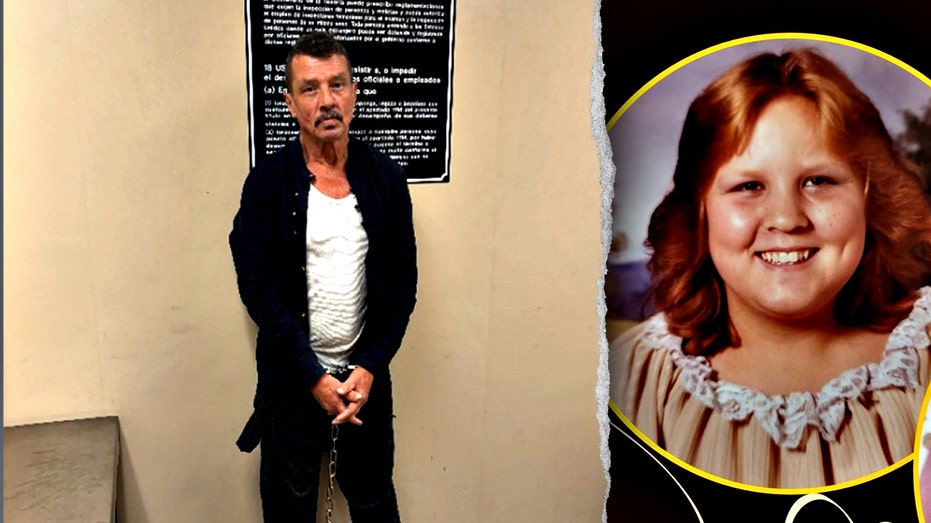
Nearly 40 Years Later, Advancements in DNA Technology Bring Long-Awaited Arrest in Murder of Texas Teen
After almost four decades of heartbreak and unanswered questions, authorities in Texas have announced a major development in the 1986 killing of 16-year-old Deanna Ogg. This week, law enforcement confirmed the arrest of Bobby Charles Taylor Sr., 60, in Mexico, following renewed investigative efforts fueled by modern DNA science.
Ogg, a teenager from Porter, Texas, left her home around 5 p.m. on Sept. 27, 1986, headed to a family gathering. Just two hours later, children discovered her body along a remote logging road roughly seven miles away. According to the Texas Department of Public Safety, she had been sexually assaulted, beaten, and stabbed.
For Deanna’s family, the trauma was compounded by a failed pursuit of justice. A man was arrested and convicted shortly after her death, only to be later cleared when DNA testing proved he was not responsible. That exoneration underscored both the devastating consequences of wrongful convictions and the urgent need for reliable forensic science in the criminal legal system.
Science, Persistence, and the Search for Truth
In recent years, breakthroughs in forensic genetic testing have reignited hope in cold cases across the country. In 2020, the Texas Rangers selected Ogg’s case for review under the Sexual Assault Kit Initiative, a program aimed at addressing long-neglected evidence and supporting survivors and victims’ families.
The following year, previously tested evidence was resubmitted for advanced DNA analysis and genealogical research through a private forensic lab. Investigators say those efforts ultimately identified Taylor as a suspect in 2024.
According to Montgomery County Sheriff Wesley Doolittle, once Taylor was identified, authorities discovered he was already wanted as a fugitive on an unrelated felony charge and was believed to be in Mexico. Law enforcement agencies coordinated to pursue additional charges, including bond jumping.
Taylor reportedly turned himself in on April 24, 2026, in Mexico City on the unrelated felony charge. Officials announced this week that he has now been arrested in connection with Ogg’s killing.
A Family’s Grief — and a Community’s Reckoning
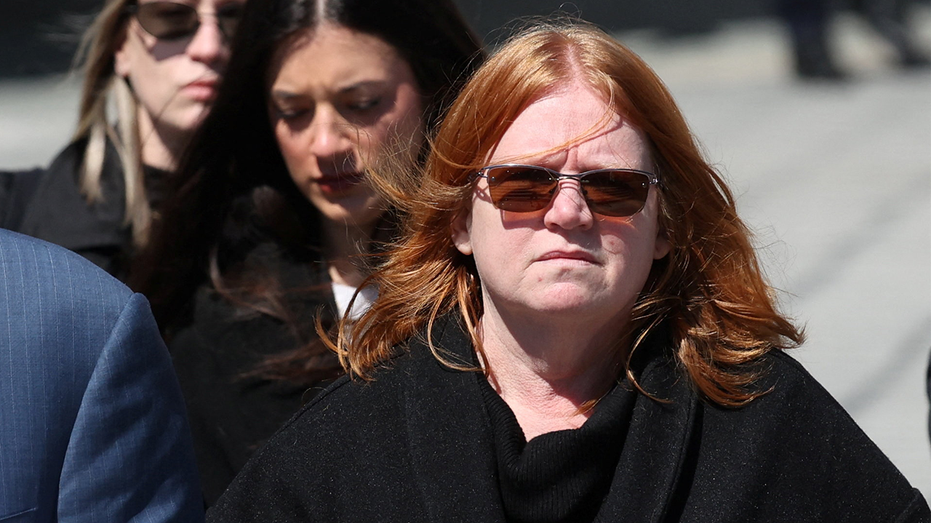
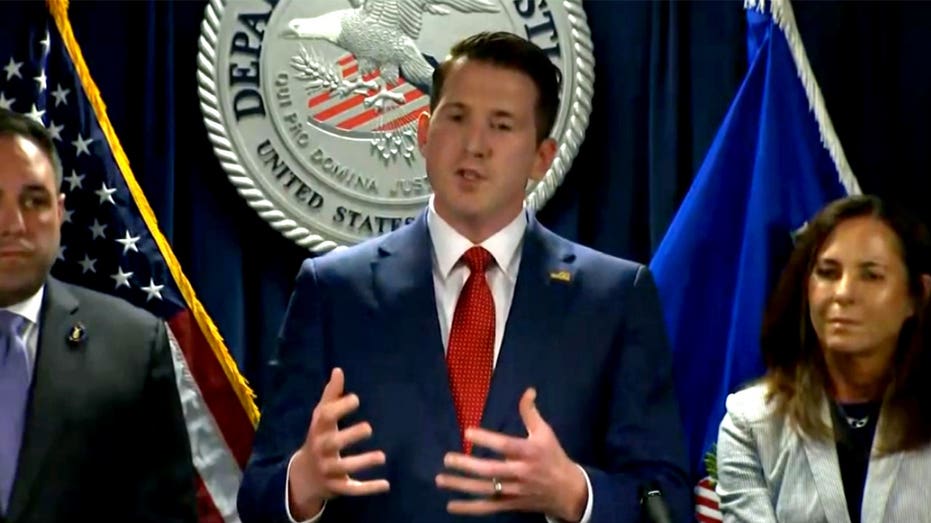
At a press conference announcing the arrest, Ogg’s mother was present as sheriff’s officials shared updates. A letter from her was read aloud, reflecting both enduring grief and deep love for her daughter.
“Deanna wasn't on this earth for a long time. She was here for a good time. Her love of Jesus and love of family has withstood a lifetime.”
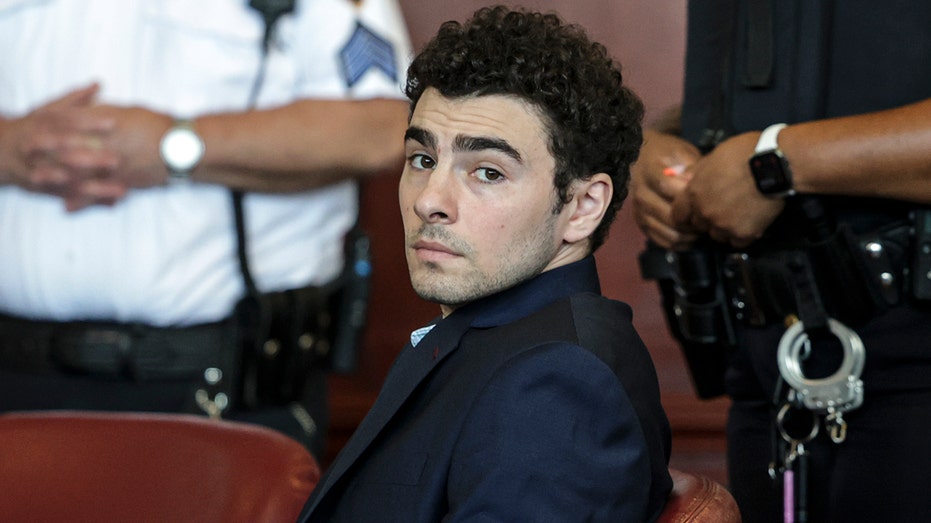
The announcement included the release of several of Taylor’s prior booking photographs dating back to the mid-1980s through as recently as 2020.
For advocates of criminal justice reform, the case highlights two parallel truths: the life-changing potential of evolving forensic science and the painful history of investigative failures that can lead to wrongful convictions. As communities push for greater accountability and transparency in policing, cases like this serve as a reminder that justice delayed must not become justice denied — for victims or for the wrongly accused.
Deanna Ogg’s killing shook her community in 1986. Nearly 40 years later, her family is still living with the loss. While an arrest cannot undo the violence or restore the years taken, it marks a critical step toward long-overdue answers.
As cold cases across the country continue to be revisited using new technologies, advocates say sustained public investment in forensic testing, victim services, and fair investigative practices remains essential. Justice must be grounded in both scientific integrity and a steadfast commitment to human dignity.
For Deanna’s loved ones, this week’s developments represent something long out of reach: the possibility that the legal system may finally hold someone accountable for the harm done to a 16-year-old girl whose life was cut far too short.