We All Matter News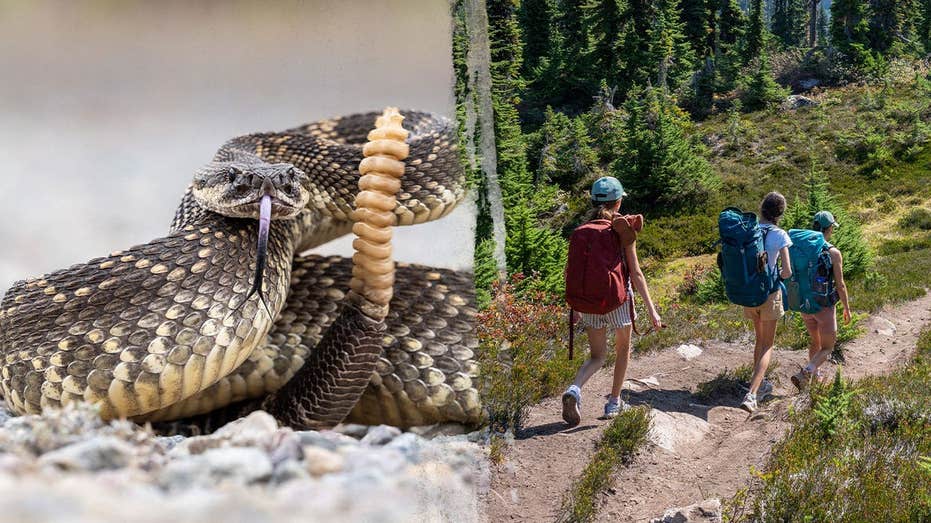
Rattlesnake Bite Sparks Urgent Safety Warnings as Climate-Fueled Heat Drives Surge in Incidents
A Southern California woman had to be airlifted to safety this week after she was bitten by a rattlesnake while hiking a remote trail in Simi Valley — a frightening reminder of how increasingly extreme heat is reshaping daily life and outdoor safety across the region.
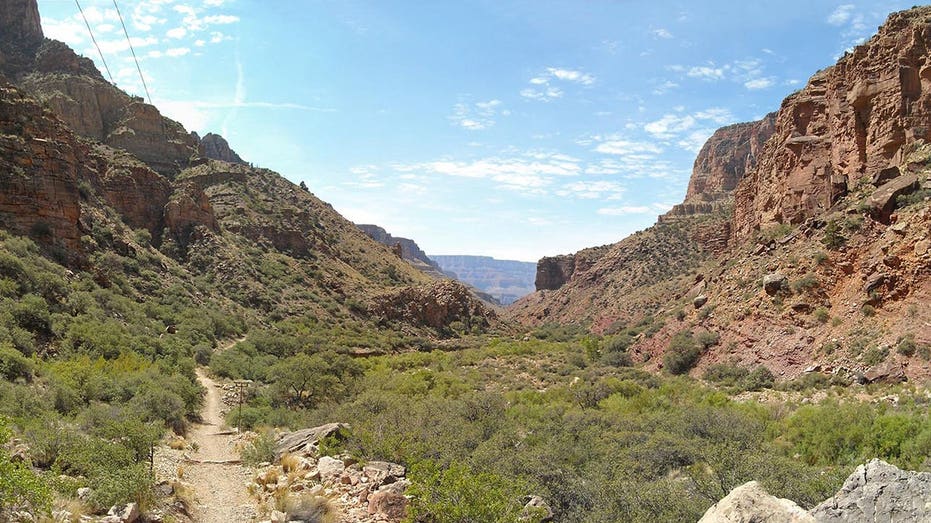
The woman was hiking in the Long Canyon Trail area of the Wood Ranch community on Thursday when the snake struck. Emergency responders transported her to Los Robles Regional Medical Center, where she received anti-venom treatment. Officials say she is now in stable condition and recovering from minor injuries.
Her ordeal marks the seventh reported rattlesnake bite in Ventura County since mid-March — a noticeable increase compared to the same period last year. Local fire officials say rising temperatures have accelerated snake activity earlier than usual, pushing wildlife into closer contact with people seeking exercise and fresh air on public trails.
Heat and Habitat Pressures Collide
Rattlesnake sightings typically rise later in the summer, but prolonged and intense heat waves have altered that pattern. As climate change continues to drive extreme weather across California, experts warn that interactions between humans and wildlife may become more common.
Ventura County Fire Department Public Information Officer Andrew Dowd confirmed that first responders have observed more snake activity and bites compared to last year. While the overall number of bites remains relatively small compared to total emergency calls, officials stress that each incident is a serious medical emergency.
“These are traumatic experiences for the people who go through them,” Dowd said, urging residents and visitors to call 911 immediately if bitten.
Not all of the recent bites have occurred on hiking trails, highlighting that snake encounters are not limited to remote backcountry areas. Expanding development, shrinking natural habitats, and hotter conditions may all be contributing to more frequent human-wildlife overlap.
A Community Still Recovering From Tragedy
The recent surge in incidents comes just months after a Thousand Oaks woman died from a rattlesnake bite she suffered while hiking at Wildwood Regional Park — not far from this week’s rescue. Though fatalities from rattlesnake bites are rare, the consequences can be devastating.
According to medical experts, rattlesnake venom can cause intense pain and swelling that worsens quickly. In severe cases, it can damage tissue and interfere with the blood’s ability to clot, leading to dangerous internal bleeding. Immediate medical treatment, including anti-venom, dramatically increases survival rates and reduces long-term harm.
Protecting People on Public Lands
As more Americans turn to public parks and trail systems for affordable recreation and mental health relief, safety resources and public education are essential. Ventura County officials are urging hikers to take commonsense precautions:
- Wear long pants, sturdy boots, and protective gaiters.
- Remain on marked trails and avoid tall grass or dense brush.
- Stay alert, especially during warmer parts of the day.
- If bitten, remain calm, limit movement, and call 911 immediately.
Officials also emphasize avoiding outdated and dangerous myths, such as attempting to suck out venom or applying ice to the wound. Quick professional medical care is the most effective response.
As communities grapple with rising temperatures and shifting environmental conditions, this latest incident underscores a broader truth: public safety and environmental realities are deeply intertwined. Ensuring well-funded emergency services, accessible healthcare, and well-maintained public lands is critical as climate pressures intensify.
For now, Ventura County residents are being reminded that preparation and awareness can mean the difference between a close call and a catastrophe. Outdoor recreation should be safe and accessible to everyone — but in a warming world, communities must adapt together to protect both people and the ecosystems they rely on.