We All Matter News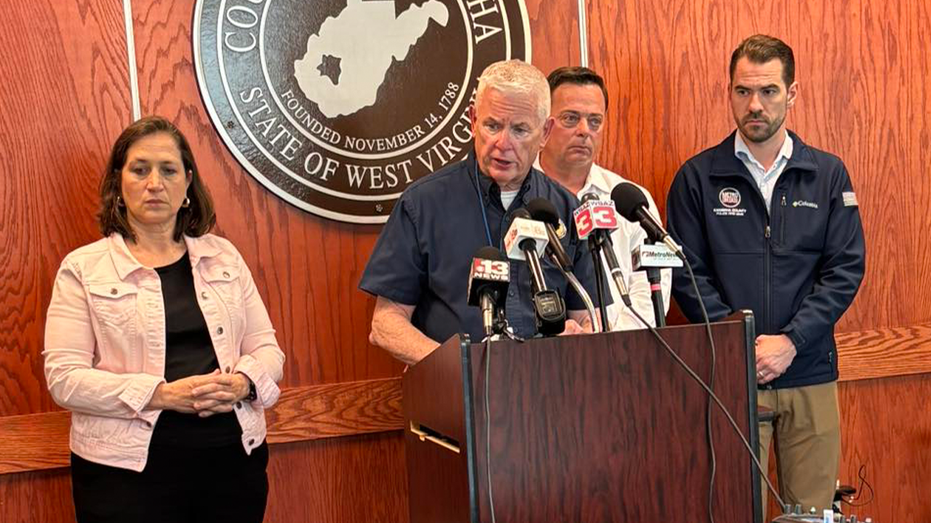
Two Workers Dead, Dozens Harmed After Toxic Chemical Release at West Virginia Refinery
A devastating chemical release at a refinery in Institute, West Virginia, has left two workers dead and at least 21 others in need of medical treatment — raising urgent questions about workplace safety and corporate accountability in one of the state’s heavy industrial corridors.
The incident occurred Wednesday morning at Catalyst Refiners in Kanawha County. According to county officials, the emergency was first reported around 9:31 a.m. while crews were in the process of shutting down operations and carrying out cleaning and decontamination procedures.
Early information indicates that a chemical reaction during those procedures led to the release of hydrogen sulfide, a highly toxic gas known to cause severe respiratory harm and death at high concentrations. Investigators are now working to determine exactly what went wrong — and whether the tragedy could have been prevented.
Emergency Response and Community Impact
Within minutes of the initial report, local emergency systems were activated. Metro 911 received confirmation of the release at 9:33 a.m., and by 9:46 a.m., Kanawha County officials had opened their Emergency Operations Center. First responders, hazardous materials teams, and emergency management personnel were dispatched immediately.
A one-mile shelter-in-place order was issued soon after. Sirens sounded across nearby communities, and wireless emergency alerts were sent to residents in Institute, Dunbar, Nitro, and St. Albans. Major roadways, including Routes 25 and 60, were temporarily closed to limit exposure and allow emergency crews to operate safely.
Out of caution, Kanawha County Schools placed several campuses under shelter-in-place protocols — even those located outside the designated emergency zone. Officials emphasized the decision reflected a desire to prioritize student and staff safety in a fast-moving and potentially dangerous situation.
Workers and First Responders Among the Injured
Tragically, two individuals lost their lives following the chemical exposure. One additional person remains in critical condition. In total, 21 people required treatment or medical evaluation, including five EMS workers who were exposed while rushing to help others.
The loss of life underscores the inherent dangers workers face in industrial facilities — especially when hazardous chemicals are involved. Hydrogen sulfide exposure can cause rapid respiratory failure, and even brief contact at high levels can be fatal.
Hazmat crews continue air monitoring operations around the facility as response teams prepare for safe entry into affected areas. Federal authorities have been notified through the National Response Center, signaling that the investigation may extend beyond local oversight.
Calls for Accountability and Transparency
Governor Patrick Morrisey said multiple state agencies, including the West Virginia Department of Homeland Security’s Emergency Management Division, the Department of Health, and the Department of Environmental Protection, are coordinating with local officials. Personnel remain stationed at the county’s command center as monitoring and response efforts continue.
“Our top priority is the safety and well-being of our citizens,” Morrisey said, adding that state resources are being deployed to contain the incident and protect the surrounding community.
But for many labor advocates and environmental justice groups, statements of concern are not enough. Industrial communities in West Virginia — often working-class neighborhoods with limited economic alternatives — have long borne the risks of chemical manufacturing, extraction, and refining. Wednesday’s deadly release is a painful reminder of the stakes when safety systems fail.
- Two workers killed
- Twenty-one people treated or evaluated
- Five first responders exposed
- One individual in critical condition
As investigators piece together the cause of the reaction that produced the hydrogen sulfide gas, families and coworkers are left grieving — and communities are left demanding answers.
When workers show up to do their jobs, they deserve to return home safely. Anything less represents a profound failure of responsibility.
Residents have been urged to continue following safety guidance from Kanawha County officials as air monitoring continues. This remains a developing situation, and further updates are expected as investigators determine what led to the catastrophic release — and whether stronger protections for workers and surrounding neighborhoods are urgently needed.
This story is ongoing. Updates will follow as more information becomes available.