We All Matter News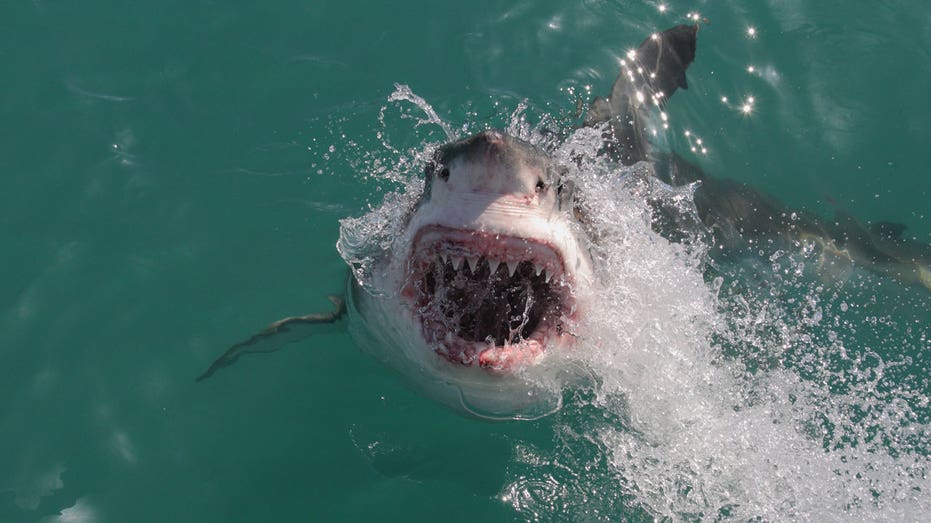
Shark Attack Fatalities Rise in 2025, Prompting Calls for Safety and Environmental Awareness
Newly released data from the International Shark Attack File shows that unprovoked shark bites rose worldwide in 2025, with fatalities climbing above the decade-long average. Researchers confirmed 65 unprovoked bites this year — a notable increase from an unusually low 2024 and closer to the ten-year annual average of 72 incidents.
More concerning, 12 of those attacks were fatal. That figure is double the decade average of six unprovoked shark-related deaths per year. While any loss of life is tragic, experts caution against panic and emphasize the need for evidence-based responses, not fear-driven narratives.
Understanding the Numbers — and the Context
Scientists stress that one year does not necessarily indicate a long-term trend. Gavin Naylor, director of the Florida Program for Shark Research, noted that more data is needed before drawing sweeping conclusions about whether 2025 marks a meaningful shift.
“It’s hard to say at this point,” Naylor explained, pointing out that multiple factors may be contributing to this year’s increase.
Australia accounted for a significant portion of the fatalities. Researchers suggest this could be connected to environmental and social factors alike: possible increases in certain shark populations, more surfers venturing into remote coastal areas, and the growing popularity of newer water sports like electric hydrofoiling. As recreational access expands, so too does the intersection between humans and marine wildlife.
In total, investigators reviewed 105 reported shark-human interactions worldwide in 2025. Of those:
- 65 were confirmed as unprovoked bites.
- 29 were classified as provoked incidents, including cases involving fishing, handling sharks, or attempts to touch them.
- The remaining cases involved boat strikes or could not be definitively categorized.
An “unprovoked” bite is defined as one occurring in a shark’s natural habitat without prior human interference. This distinction helps researchers maintain consistent, long-term reporting standards.
The United States and Australia Lead in Incidents
The United States accounted for approximately 38% of global unprovoked bites, the largest share of any country. Florida once again led the nation, reporting 11 unprovoked incidents — more than double that of any other state. Fortunately, most Florida cases were nonfatal.
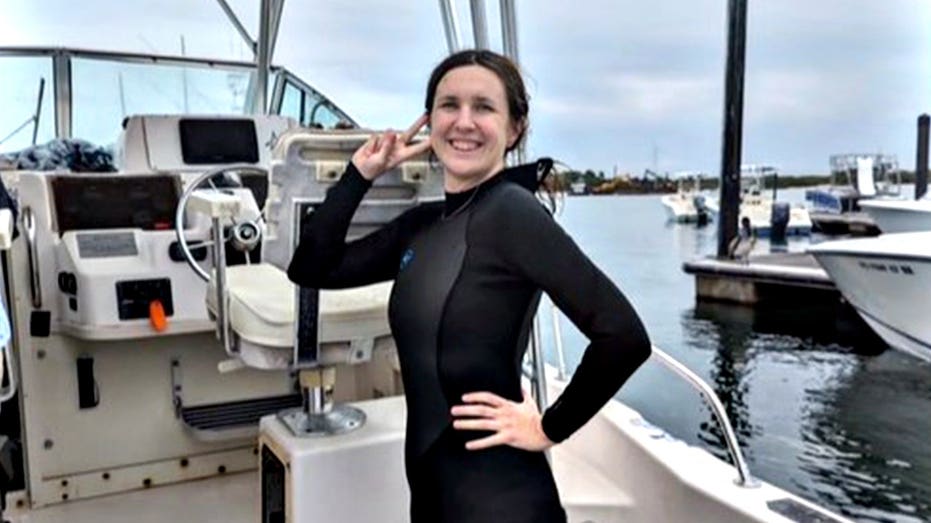
The only U.S. fatality was 55-year-old triathlete Erica Fox, whose body was recovered near Santa Cruz, California, after she disappeared during a group swim in December. Local authorities determined her cause of death to be sharp and blunt force injuries combined with submersion.
Australia ranked second globally, representing roughly 32% of unprovoked attacks. Its extensive coastline, strong surfing culture, and growing numbers of people participating in ocean recreation likely contribute to the exposure risk.
Balancing Public Safety and Ecological Responsibility
While headlines about shark attacks often spark alarm, marine scientists and conservation advocates warn against reactive policies that can harm already vulnerable shark populations. Sharks play a crucial role as apex predators, maintaining the health and balance of ocean ecosystems that communities and workers worldwide depend on.
Experts emphasize that the overall number of incidents remains within the range observed over the past decade. In other words, while 2025 saw an increase compared to last year, it does not signal an unprecedented surge.
As coastal development expands and climate change reshapes marine habitats, interactions between humans and wildlife may evolve. Warmer waters, shifting prey patterns, and increased ocean recreation all influence how and where sharks and people cross paths. Addressing climate disruption and investing in coastal safety infrastructure are practical steps that protect both human lives and marine biodiversity.
The challenge ahead lies in crafting thoughtful, science-driven strategies that prioritize public safety without undermining conservation progress. Respecting natural habitats, strengthening public education around ocean safety, and supporting marine research can help reduce risks while honoring our shared responsibility to steward the planet.
In a time of environmental uncertainty, the solution is not fear — it is informed action rooted in data, compassion, and respect for both people and the ecosystems we depend on.