We All Matter News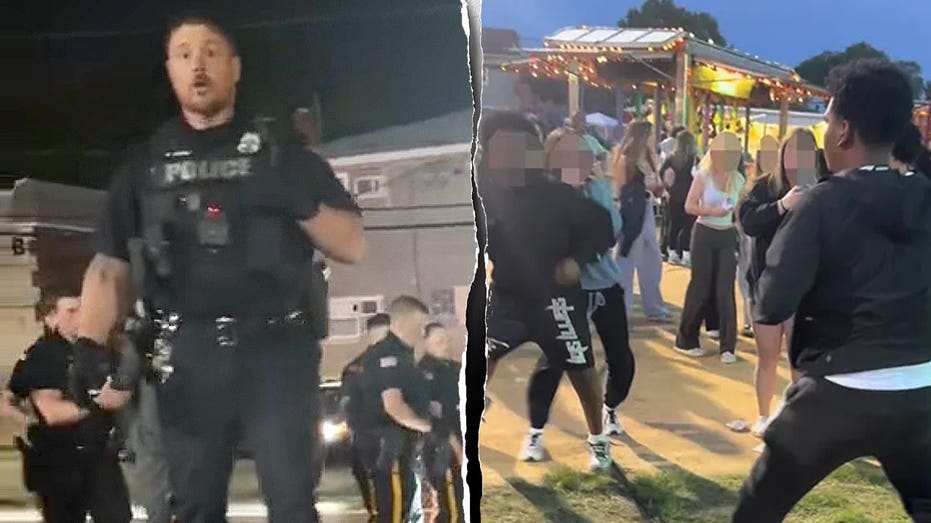
Community Carnival Cut Short After Teen Fights Raise Bigger Questions About Youth Support
A beloved community carnival in Maple Shade, New Jersey, was shut down early last week after groups of teenagers reportedly overwhelmed the event, leading to several fights and a heavy police response. What was meant to be a festive fundraiser for the Maple Shade Tigers Youth Football program instead became a flashpoint — highlighting deeper concerns about youth engagement, supervision, and the way communities respond when young people act out.
Township officials said the May 1 event was disrupted when a large number of unsupervised minors gathered at the carnival grounds. As tensions grew, multiple fights broke out. Police officers and event organizers ultimately cleared the area in what they described as an effort to restore order and protect public safety. The carnival was closed for the remainder of the evening and the following day was canceled altogether.
According to Lt. Daniel O’Brien of the Maple Shade Police Department, some teens allegedly attempted to provoke officers, shouting insults and escalating confrontations. Several young people now face charges tied to the incident.
Officials emphasized that safety remains their top priority. Yet the episode has also reignited a familiar debate in towns across America: When young people gather in large numbers and chaos erupts, is the solution simply more policing — or is something deeper going on?
A Pattern of Crackdowns
This was not the first time Maple Shade officials have grappled with youth unrest. Following a similar disruption in 2025, the township increased surveillance and monitoring at large events, adding cameras and even deploying a drone. The expanded security presence reflects a growing trend in municipalities nationwide: treating teenage misbehavior primarily as a law enforcement problem.
Some local leaders have pointed to parental responsibility, urging guardians to more closely monitor their children’s activities. One officer suggested that parents should view certain behaviors — like teens wearing face coverings — as warning signs of potential trouble.
But youth advocates argue that framing the issue solely around discipline and punishment misses the broader context. Across the country, young people are navigating the lingering trauma of the pandemic, social media pressures, economic instability at home, and diminishing access to safe, affordable spaces where they can gather without fear of harassment or over-policing.
What Do Young People Need?
When a community event descends into disorder, it’s easy to default to tougher enforcement. Yet many experts say prevention requires investment, not just surveillance.
- Expanded after-school and weekend programming that gives teens structured, engaging activities.
- Mental health resources that are accessible and stigma-free.
- Community-centered conflict resolution strategies that don’t immediately escalate to arrests.
- Partnerships between schools, local organizations, and families to build trust rather than fear.
Research has consistently shown that young people thrive when they feel supported and included. Conversely, aggressive policing tactics can deepen distrust — particularly for teens of color, who often bear the brunt of enforcement actions.
Communities are safest not when they are the most surveilled, but when young people have meaningful opportunities, strong mentorship, and a genuine sense of belonging.
Balancing Safety and Justice
None of this excuses violence or chaos. Community members have every right to expect that public gatherings are safe and welcoming for families. Organizers who spend months planning fundraisers should not see their efforts derailed by disorder.
At the same time, a rush toward punitive solutions — including criminal charges and broader crackdowns — risks entangling teens in the justice system in ways that can have lifelong consequences. A single arrest can disrupt education, employment prospects, and future stability.
The abrupt end to the Maple Shade carnival is a disappointment for the families and volunteers who rely on it to support local youth sports. But it is also an opportunity for reflection. Are we investing enough in our teenagers before problems escalate? Are we listening to what they need? And are we responding in ways that strengthen communities rather than deepen divides?
If safety truly is the top priority, then the conversation must extend beyond enforcement. Building a future where community events can flourish requires more than cameras and patrol cars — it demands empathy, accountability, and a commitment to ensuring that every young person feels valued, heard, and supported.