We All Matter News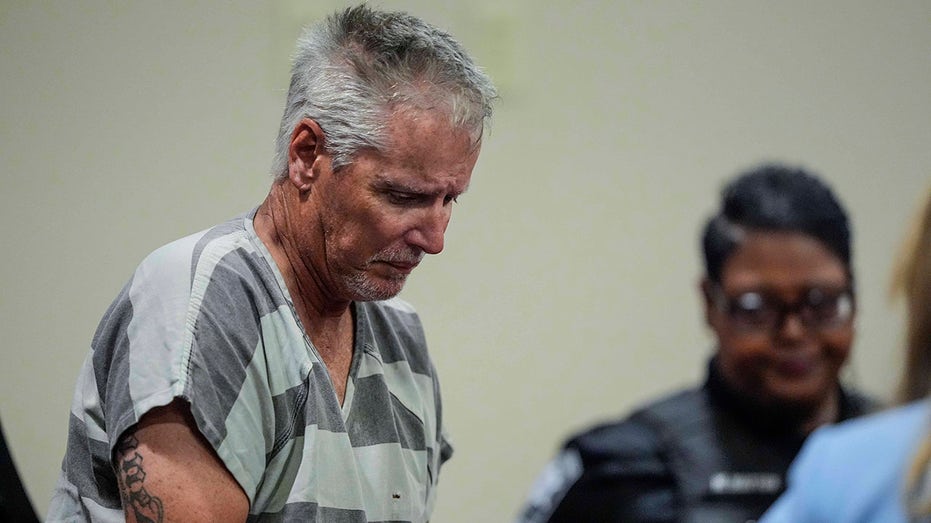
A Georgia Jury Holds a Parent Accountable in Devastating School Shooting Case
In a landmark decision that underscores growing demands for accountability in America’s gun violence crisis, a Georgia jury has found Colin Gray guilty of second-degree murder and involuntary manslaughter in connection with the deadly 2024 shooting at Apalachee High School in Winder.
Gray is the father of Colt Gray, the teenager accused of killing four people during the September attack. Jurors in Barrow County concluded that the elder Gray bears criminal responsibility after prosecutors argued he enabled the violence that took the lives of two 14-year-old students and two beloved educators.
The shooting claimed the lives of Mason Schermerhorn and Christian Angulo, both 14, along with teachers Richard Aspinwall, 39, and Cristina Irimie, 53. Their deaths devastated families, classmates, and a community already weary of enduring yet another act of gun violence in an American school.
A Verdict Centered on Responsibility
Under Georgia law, second-degree murder includes causing the death of a child while committing cruelty to children. Jurors convicted Colin Gray of second-degree murder in the deaths of the two students and involuntary manslaughter in the killings of the two teachers. He was also found guilty of multiple counts of second-degree cruelty to children and reckless conduct.
Gray, who pleaded not guilty to all charges, faces a potential sentence of up to 180 years in prison. Sentencing will take place at a later date.
As the verdict was read, Gray reportedly sat motionless at the defense table. Shortly afterward, deputies placed him in handcuffs and escorted him from the courtroom — a stark image in a case that has sparked national debate about parental accountability and the broader culture of easy firearm access.
Prosecutors: Warnings Were Ignored
At trial, prosecutors laid out a troubling pattern. They argued that Colin Gray gave his son the AR-15-style rifle used in the massacre as a Christmas gift and continued purchasing ammunition for him — even as his son’s mental health deteriorated and prior threats of a potential school shooting had drawn law enforcement attention.
Despite clear warning signs, prosecutors said, Gray did not seek inpatient mental health treatment for his son. Instead, they argued, he placed a deadly weapon in the hands of a vulnerable teenager.
This case has become a sobering example of how warning signs, when ignored, can lead to irreversible tragedy.
Investigators say Colt Gray, who was 14 at the time, brought the semiautomatic rifle to school in his backpack, left class, and opened fire in a classroom and along the hallways. Two school resource officers ultimately took him into custody.
A Broader Reckoning on Gun Violence
Colt Gray has been indicted on 55 counts, including murder, and has pleaded not guilty. A status hearing in his case is scheduled for mid-March.
The prosecution of Colin Gray reflects a growing national movement to hold adults accountable when their actions — or inaction — enable acts of mass violence. Across the country, communities ravaged by school shootings are demanding systemic change: stronger gun safety laws, meaningful mental health interventions, and an end to the normalization of assault-style weapons in civilian life.
- Two students and two teachers lost their lives.
- A teenager allegedly carried an AR-15-style rifle into his school.
- A jury determined his father’s decisions played a criminal role in the tragedy.
For many advocates of gun reform and child safety, the verdict represents more than one family’s accountability — it signals a shift toward confronting the deeper structures that allow such violence to happen again and again. When adults ignore red flags and grant young people access to weapons designed for maximum harm, the consequences ripple outward, shattering classrooms and communities.
As families in Winder continue to grieve, the case stands as a painful reminder that preventing gun violence requires courage: the courage to recognize warning signs, to prioritize mental health care, and to enact responsible gun policies that put children’s safety before political ideology.
At a time when too many schools feel like battlegrounds, this verdict sends a clear message — accountability does not stop at the trigger. It extends to the systems, choices, and failures that make these tragedies possible.