We All Matter News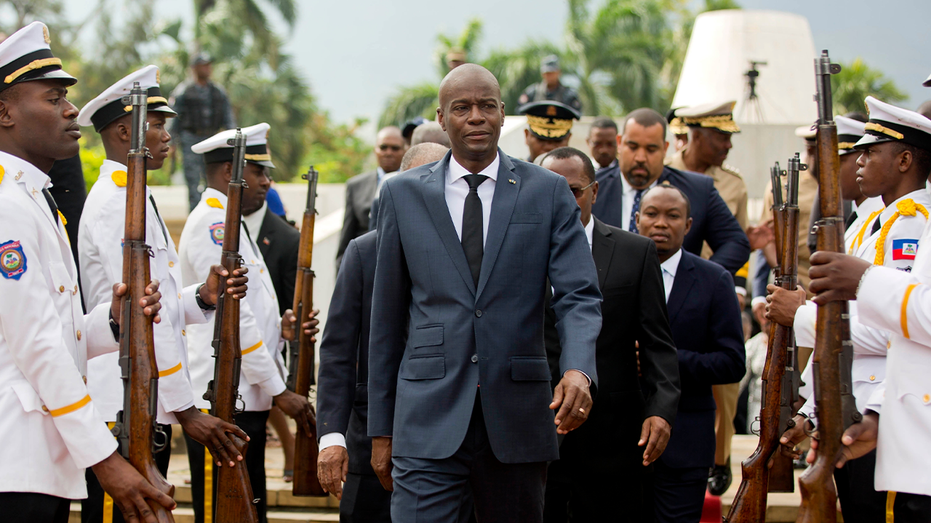
Florida Jury Holds Four Men Accountable in Plot to Assassinate Haiti’s President
A federal jury in Florida has convicted four men for their roles in the 2021 assassination of Haitian President Jovenel Moïse, a shocking act of political violence that was organized and financed from South Florida and helped push Haiti into deeper instability and suffering. The verdict marks a significant step toward accountability in a case that underscores how transnational plots can destabilize fragile democracies and devastate working people.
Arcangel Pretel Ortiz, Antonio Intriago, Walter Veintemilla, and James Solages were found guilty of conspiring to kill or kidnap the sitting president, providing material support for the operation, and violating the U.S. Neutrality Act. Each now faces the possibility of life behind bars.
A Deadly Plot Fueled from U.S. Soil
Federal prosecutors laid out how South Florida became the operational nerve center for the July 7, 2021 attack. Financing, recruitment, and logistical coordination flowed through the region before approximately two dozen foreign mercenaries—most of them Colombian—stormed Moïse’s private residence near Port-au-Prince in a brazen night raid.
According to evidence presented at trial, the conspiracy aimed not only to remove Moïse from power but to replace him with Christian Sanon, a dual Haitian-American citizen. Prosecutors argued the defendants hoped to profit financially by backing a newly installed regime. In other words, the violent overthrow of a foreign leader was treated as a business opportunity—putting profit above democracy and human life.
Ortiz and Intriago operated a Miami-area security firm known as Counter Terrorist Unit (CTU), while Veintemilla led a South Florida-based capital lending company. Prosecutors said these professional fronts were used to channel resources and support for the deadly mission.
Heartbreaking Testimony from Haiti’s First Lady
The human toll of the attack was brought into stark focus during emotional testimony from Martine Moïse, the president’s widow. Speaking through a Creole interpreter, she described the terror of that night as gunfire erupted throughout their home.
“Honey, we are dead,” President Moïse told her as the attackers closed in.
Martine Moïse was seriously wounded in the assault and later transported to the United States for emergency medical treatment. Her testimony served as a powerful reminder that behind the geopolitical maneuvering and courtroom arguments were real families and a nation left traumatized.
Defense Claims and Broader Accountability
Defense attorneys argued that the four men were misled and manipulated, claiming they believed they were participating in a lawful effort to arrest Moïse under what they thought was a legitimate warrant. They contended the defendants saw themselves as helping to “liberate” Haiti from a president they believed had overstayed his term.
But the jury ultimately rejected those arguments, siding with prosecutors who portrayed the operation as a calculated and unlawful conspiracy to violently reshape a sovereign nation’s leadership.
The Florida convictions add to a growing list of legal consequences tied to the assassination. At least five others have already pleaded guilty in U.S. courts and are serving life sentences. Meanwhile, in Haiti, 20 individuals—including 17 former Colombian soldiers—face charges connected to the killing.
A Nation Still Struggling
Moïse’s assassination sent shockwaves through Haiti, compounding years of political instability, economic hardship, and deep inequality. In the power vacuum that followed, gang violence surged, tightening its grip on communities already struggling with poverty and limited access to essential services.
For many observers, the case raises urgent questions about how foreign-based actors can exploit political unrest for private gain—and how stronger oversight and accountability mechanisms are needed to prevent similar interventions. When wealthy financiers and private security operators treat vulnerable nations as arenas for profit and power, it is everyday people who pay the heaviest price.
Friday’s verdict does not undo the suffering Haitians have endured, nor does it resolve the country’s ongoing crisis. But it sends a clear message: political violence organized from U.S. soil will not go unanswered. Justice, while delayed, is still possible—and essential—for the preservation of democratic values at home and abroad.