We All Matter News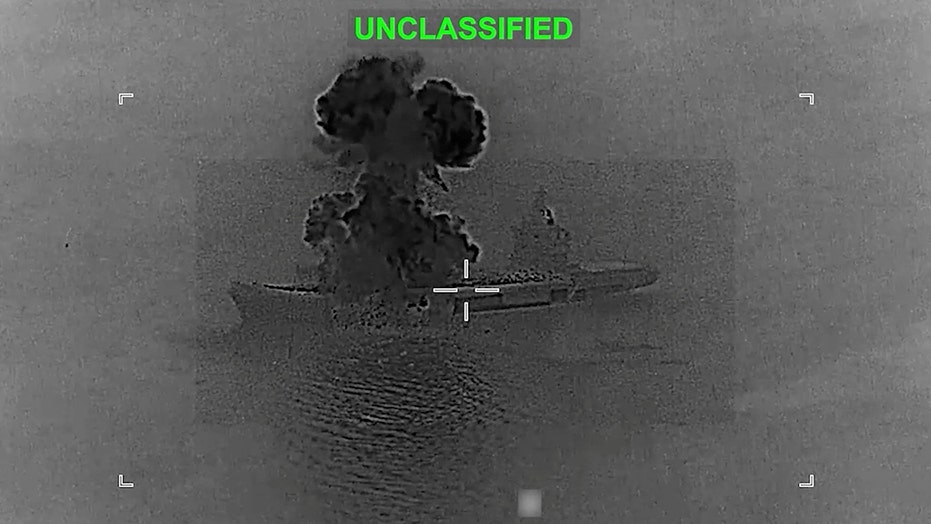
A Week of Escalation Abroad and Political Upheaval at Home
The United States has reportedly sunk more than 30 Iranian vessels in a dramatic military offensive dubbed “Operation Epic Fury,” marking a sharp escalation in the already volatile standoff between Washington and Tehran. According to administration officials, the strikes have significantly damaged Iran’s naval capabilities. The operation represents one of the most aggressive U.S. military actions in the region in recent years, raising urgent questions about congressional oversight, civilian safety, and the long-term consequences of another deepening conflict in the Middle East.
While the administration frames the campaign as necessary for national security, critics warn that unchecked military force risks pulling working families into another protracted and costly war. Progressive lawmakers have renewed calls for a clear strategy, transparency with the American people, and a recommitment to diplomatic solutions that prioritize stability and human rights.
Congress Divided Over War Powers
On Capitol Hill, the House voted down an effort to limit the president’s authority to continue strikes against Iran. The failed measure has reignited debate over Congress’s constitutional responsibility to authorize military action. Advocates of restraint argue that decisions of war and peace should not be left to unilateral executive power.
In a democracy, military escalation demands accountability — not blank checks.
Meanwhile, the administration’s leadership team is shifting. President Trump dismissed Homeland Security Secretary Kristi Noem amid internal turmoil, signaling upheaval at a department already grappling with immigration policy, national security threats, and workforce strain. A new nominee is reportedly a hardline immigration official, raising concerns among immigrant rights advocates about the future direction of the agency.
Diplomacy Resumes in Venezuela
In a notable foreign policy development, the United States has restored diplomatic relations with Venezuela just weeks after the reported capture of President Nicolás Maduro. Officials say the move is meant to encourage a democratic transition. Human rights groups stress that any renewed engagement must center the Venezuelan people — not geopolitical maneuvering — and ensure protections for civil society and fair elections.
The Human Cost of Conflict
As military operations expand, the human toll continues to mount. An Iowa-based Army reservist was killed in a drone strike in Kuwait. In his final messages home, he reassured his family not to worry — a heartbreaking reminder that service members and their loved ones often bear the deepest burden of geopolitical conflict.
Elsewhere, Americans stranded in the Middle East are reportedly struggling to return home amid rising instability. Advocates are urging federal agencies to move swiftly to protect civilians caught in the crossfire of international brinkmanship.
Immigration, Accountability, and the Courts
A federal appeals court has vacated an injunction that had limited a controversial immigration enforcement operation in Chicago. Immigrant community leaders warn that expanded enforcement actions without safeguards could erode due process and fracture trust between local authorities and residents.
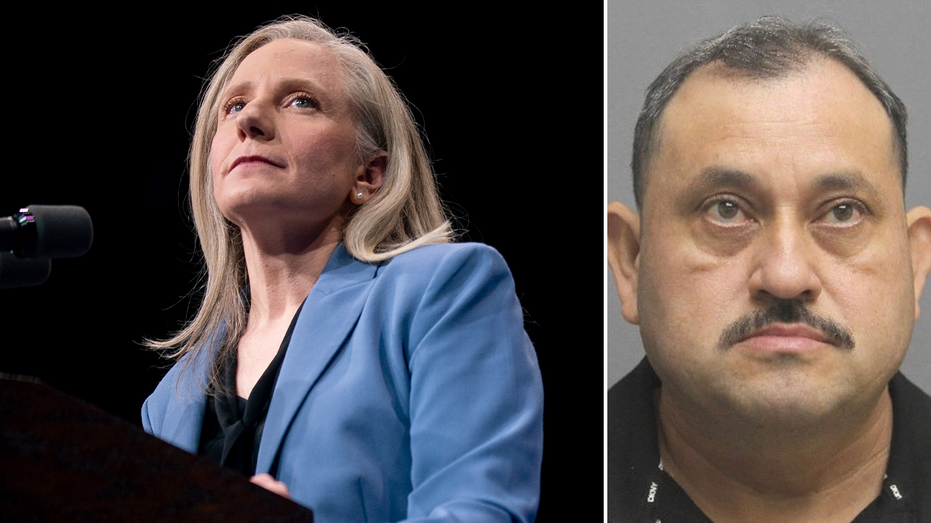
In a separate clash, Rep. Abigail Spanberger declined to honor an ICE detainer request in a murder case, intensifying tensions between federal immigration authorities and local officials. The dispute underscores ongoing national divisions over how to balance public safety, civil liberties, and humane immigration reform.
At the same time, the Justice Department continues reviewing the prior administration’s use of an autopen for official signatures, though sources indicate charges against former President Biden remain unlikely.
Media Shakeups and Public Health Fallout
Across the media landscape, change is underway. A senior executive producer at a major morning news program announced her departure, citing burnout as high-profile exits continue across the industry — a reflection of the mounting pressures facing journalists in an era of political polarization.
In public health news, Planned Parenthood is reportedly diversifying its services after federal funding was slashed — a direct consequence of policy decisions that reproductive rights advocates say are undermining essential care for low-income patients.
Meanwhile, new research suggests cancer survivors may face accelerated brain aging, shedding light on the long-term impacts of serious illness and underscoring the need for expanded survivorship care and equitable access to treatment.
Global Power Struggles and Emerging Threats
National security analysts are also warning about the rise of one-way attack drones in the Iran conflict, a technology reshaping modern warfare and raising alarms about civilian vulnerability. Discussions around artificial intelligence as a new geopolitical battleground further highlight how rapidly evolving technology intersects with democracy and global stability.
As the week closes, Americans are left confronting weighty questions: How should a democracy exercise military power? How do we protect national security while safeguarding civil rights? And how can we ensure that working families — at home and abroad — are not the collateral damage of political and military escalation?
In moments of crisis, the call for accountability, diplomacy, and people-centered policy has never been more urgent.